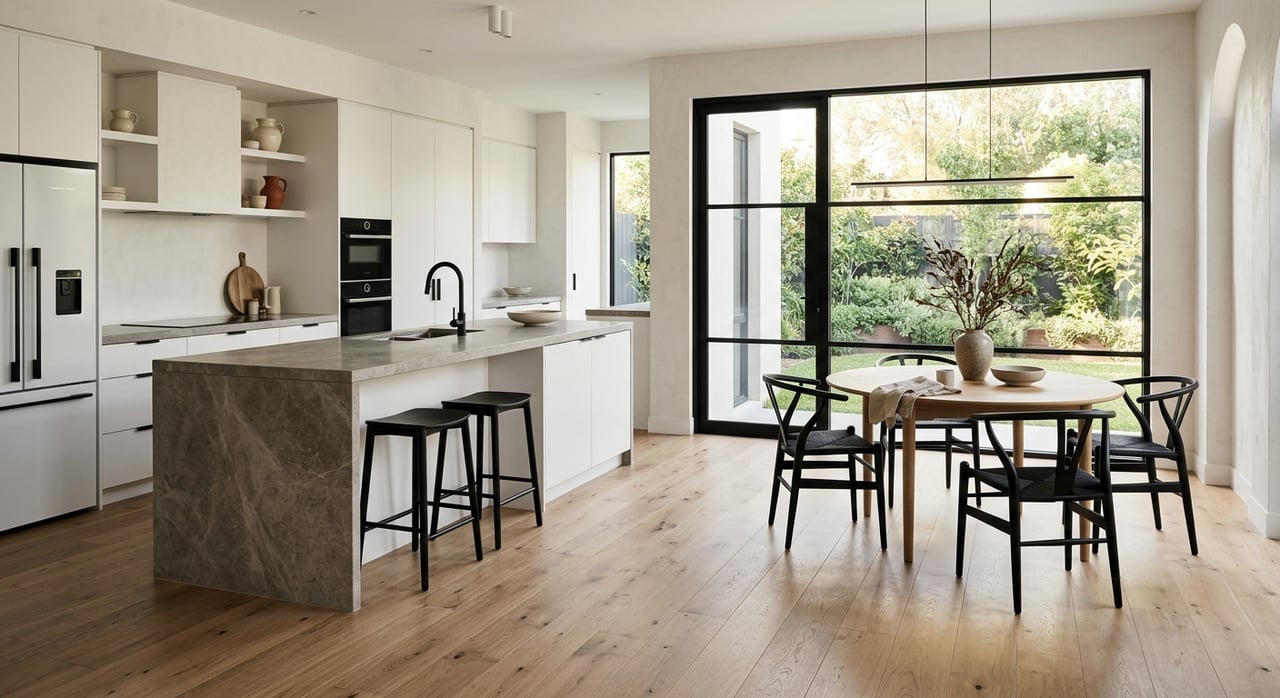
Online Marketing for Your Redmond Home That Draws Offers
July 23, 2026
July 23, 2026
If your Redmond home looks average online, buyers may never make it to the front door. That can be frustrating when you know your property has real value, especially in a market where buyers are comparing many listings before they ever book a showing. The good news is that the right online marketing plan can help your home stand out, answer buyers’ questions fast, and attract stronger interest from serious shoppers. Let’s dive in.
Redmond remains a market where presentation can make a real difference. Recent market snapshots show different numbers depending on the source and timeframe, but together they point to a practical reality: sellers still need a listing that rises above the competition.
One data source shows a median sale price of $469,619 and about 26 median days on market over the last three months. Another shows a median listing price of $554,389, 573 homes for sale, 52 median days on market, and a 100% sale-to-list ratio, describing the market as balanced. For you as a seller, that means strong online marketing is not optional if you want buyers to stop scrolling and pay attention.
Most buyers begin their search online, long before they contact an agent or schedule a tour. National buyer research found that looking online for properties was the first step in the home search, and buyers typically searched for 10 weeks while viewing a median of seven homes.
That matters because your listing is competing in a digital first impression stage. Buyers are trying to narrow choices quickly, and more than half said finding the right property was the hardest part of the process. If your listing makes that decision easier, you have a better chance of attracting serious interest.
Buyers place the most value on visuals and clear listing details. Research found that photos were very useful for 83% of internet-using buyers, detailed property information for 79%, floor plans for 57%, virtual tours for 41%, and videos for 29%.
Separate buyer research tells a similar story. Floor plans ranked as the most important listing feature for 33% of prospective buyers, high-resolution photos for 26%, and 3D or virtual tours for 20%. In short, buyers want a listing that helps them understand the home before they leave their couch.
A good online listing does more than put your home on the market. It helps buyers picture the space, understand the layout, and decide whether your property fits their needs. That is how you attract better-qualified interest instead of casual clicks.
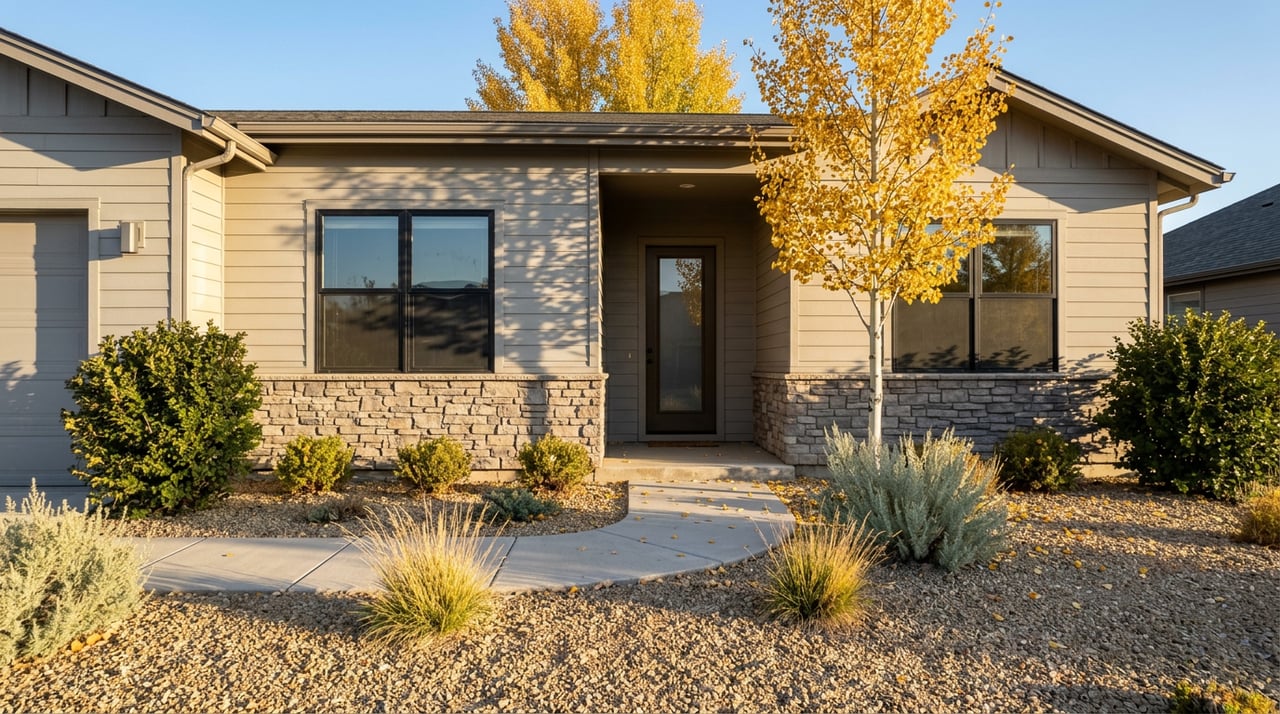
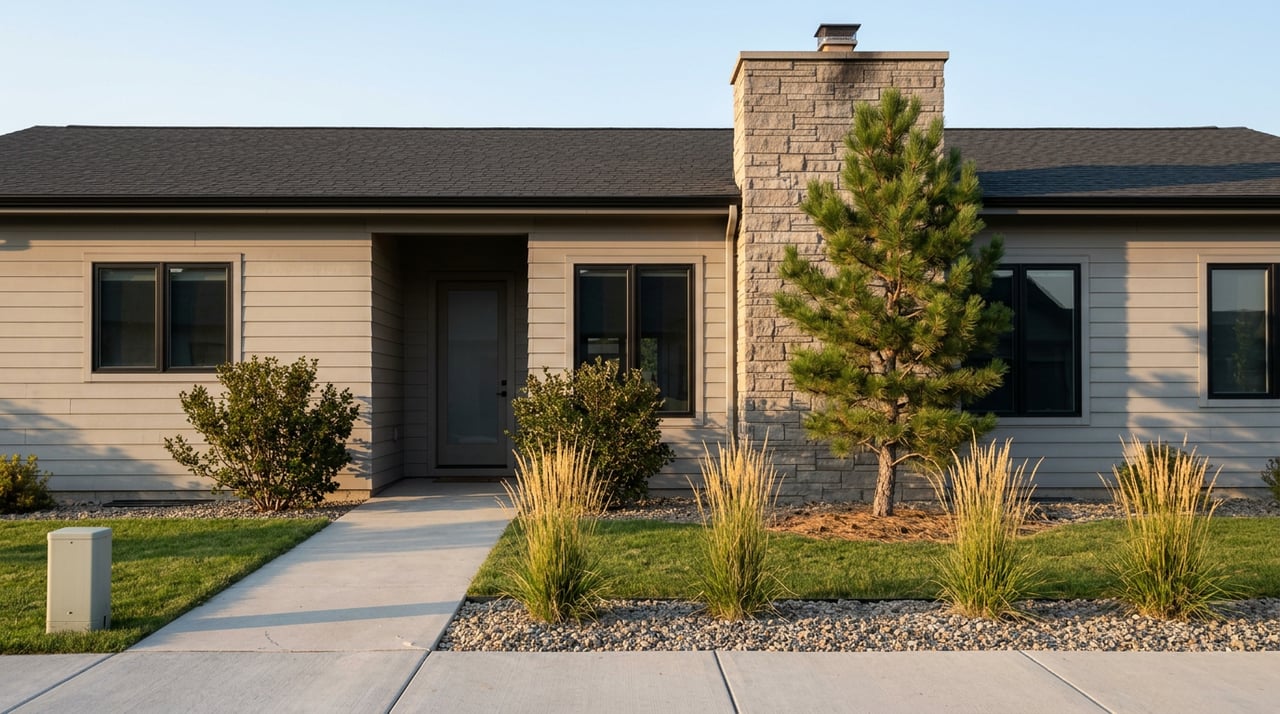
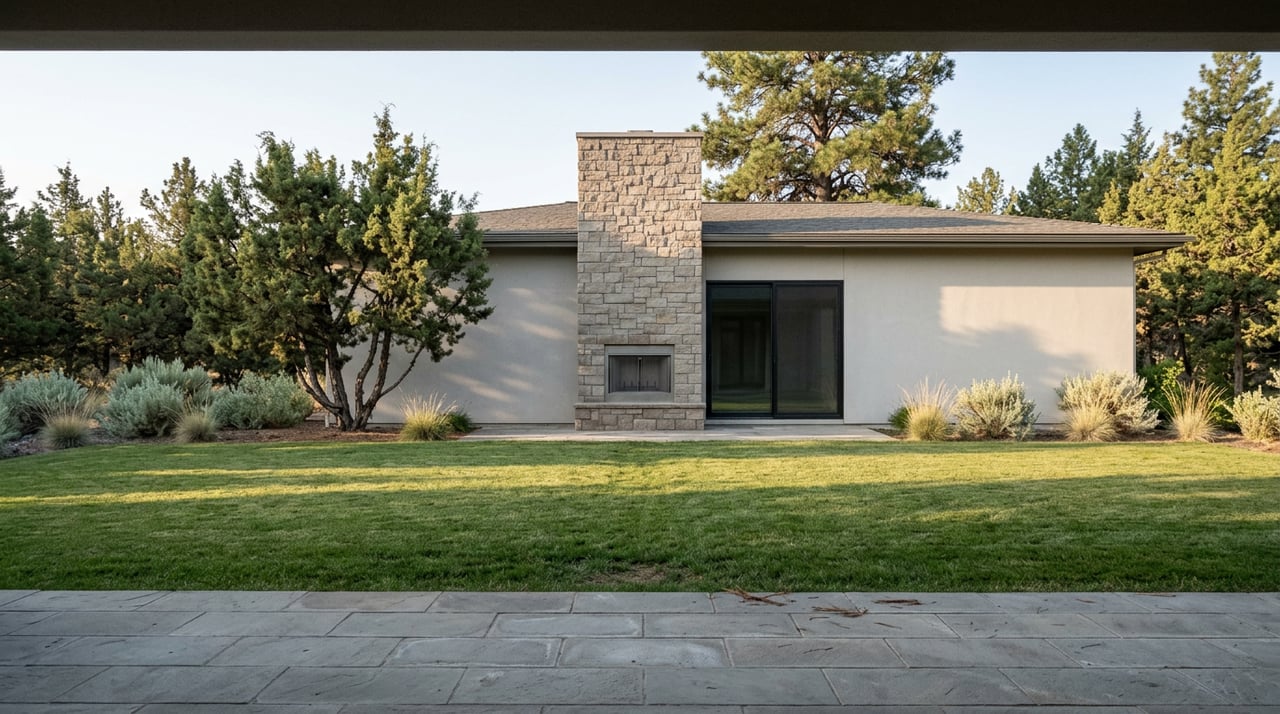
Photos do the heavy lifting in online marketing. Since photos rank as one of the most valuable listing features for buyers, your home needs clean, bright, professional images that show each space clearly.
That starts before the camera arrives. Decluttering, simplifying decor, and making sure each room feels open can improve how your home reads online. Even buyers who love a home in person may never visit if the photos do not catch their attention first.
A floor plan helps buyers understand flow, room relationships, and function. This is especially important for people relocating, comparing multiple homes quickly, or trying to decide whether a layout works for everyday living.
In practical terms, a floor plan can reduce guesswork. It helps buyers decide faster whether they want to take the next step, which can mean more serious showing requests and fewer mismatched inquiries.
Virtual tours and video walkthroughs give buyers another layer of confidence. They can show how rooms connect, how natural light moves through the home, and how the space feels beyond still photos.
For Redmond sellers, this can be especially useful when your buyer may be shopping from outside the immediate area or narrowing options before a weekend of showings. These tools help your listing answer more questions upfront.
Photos matter, but words still matter too. Some buyers place a high value on written listing descriptions, especially older buyers who may rely more on property details than visual features alone.
Your listing remarks should explain the home clearly and accurately. Instead of vague hype, buyers respond better to useful information about layout, updates, lot features, storage, workspace, outdoor living, and other details that help them assess fit.
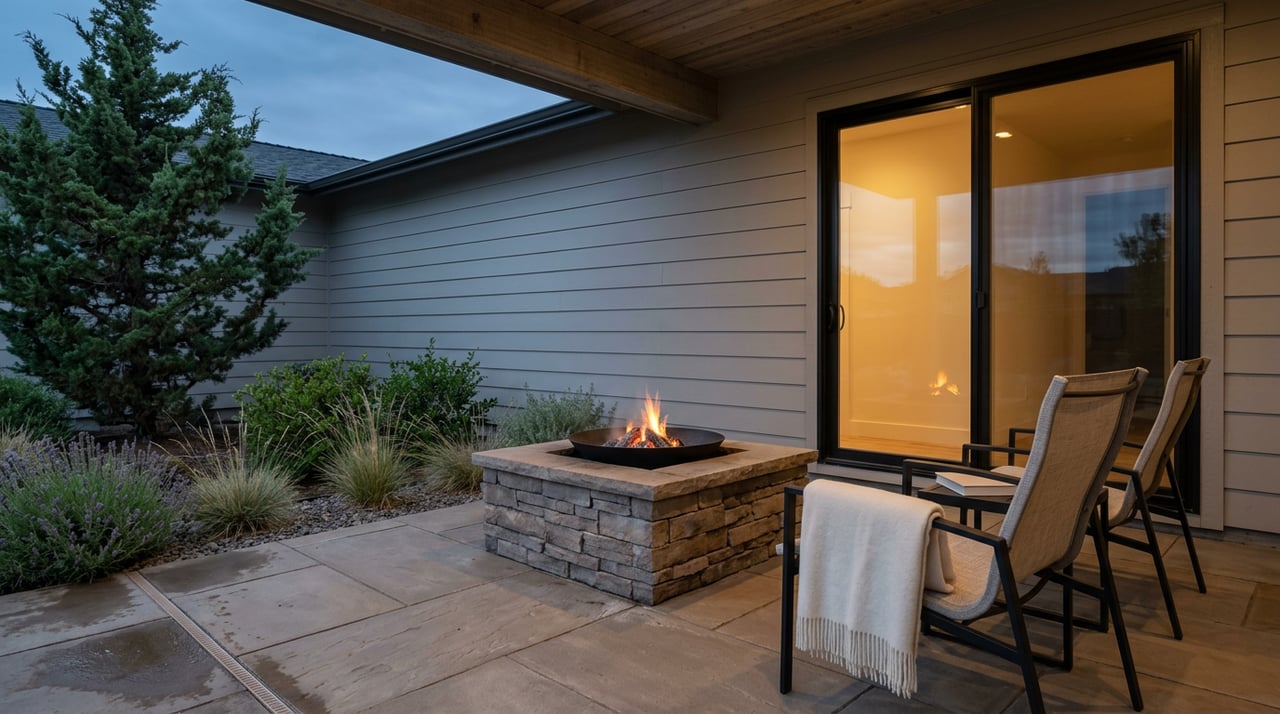
Staging is not about making your home look fake. It is about helping buyers see the property in its best light and making rooms feel easier to understand in photos and during showings.
Research on staging found that 83% of buyers’ agents said it made it easier for buyers to visualize a property as a future home. The same report found that 49% said staging reduced time on market, and 29% said it increased the dollar value offered by 1% to 10%.
You do not always need a full redesign to improve your listing presentation. Often, the most effective changes are practical and straightforward.
These updates can help your home feel cleaner, brighter, and easier to picture online.
The best marketing is not just attractive. It also needs to be accurate, truthful, and complete. In Oregon, advertising rules cover online media including MLS entries, websites, email, social media, and mobile apps.
That means your marketing should be identifiable, truthful, and not misleading. Property advertising also requires written permission from the owner or authorized agent, which is one reason it helps to work with a broker who handles these details carefully.
Virtual staging can be useful when it helps buyers understand how a vacant room might function. But material alterations should be disclosed, and digital edits should not misrepresent the property.
Media used for marketing should also protect your privacy. That includes avoiding photos or tours that reveal security systems or identifying personal items. A polished listing should still keep your home and personal information protected.
Getting your home online is not just about putting it on one website. MLS entry is a key part of distribution because it can help push your listing beyond a single brokerage site and into the third-party real estate portals where many buyers are already searching.
That broader reach matters because many buyers are already far along in their search before they contact an agent. Research found that 68% of prospective buyers had already viewed homes on a real estate website, 48% had already contacted an agent, and 59% had been shopping for at least six months.
For you, that means your listing needs to be ready from day one. Once it goes live, buyers may be evaluating it immediately against every other option in Redmond.
Attracting attention is only part of the job. Once buyers reach out, quick response matters.
Buyer research found that prospective buyers most often preferred text messages at 34% and phone calls at 33% when communicating with an agent. That supports a simple idea: if a listing generates online interest, timely follow-up can help keep momentum moving toward a showing or offer.
Serious offers usually come from serious preparation. The homes that perform best online tend to combine pricing, presentation, and responsiveness into one coordinated launch.
For Redmond sellers, that often means focusing on these core pieces:
When those elements work together, your listing becomes easier to understand and easier to trust.
Online marketing tools are powerful, but they work best when paired with local judgment. In a market like Redmond, buyers may be comparing a wide mix of homes, property types, lot sizes, and lifestyle options. That makes smart positioning important.
Brent Krebs Realty brings owner-led accountability, responsive service, and modern MLS-backed marketing to sellers in Redmond and across nearby Central Oregon communities. That combination can help you prepare your home well, launch with confidence, and make a stronger impression where buyers are already looking.
If you are thinking about selling and want a practical plan for presenting your Redmond home online, reach out to Brent Krebs to schedule a consultation.
Stay up to date on the latest real estate trends.


Whether you’re buying your first home or selling a property, Brent Krebs Realty is here to help. We combine local insight with a client-first approach to deliver results that matter.