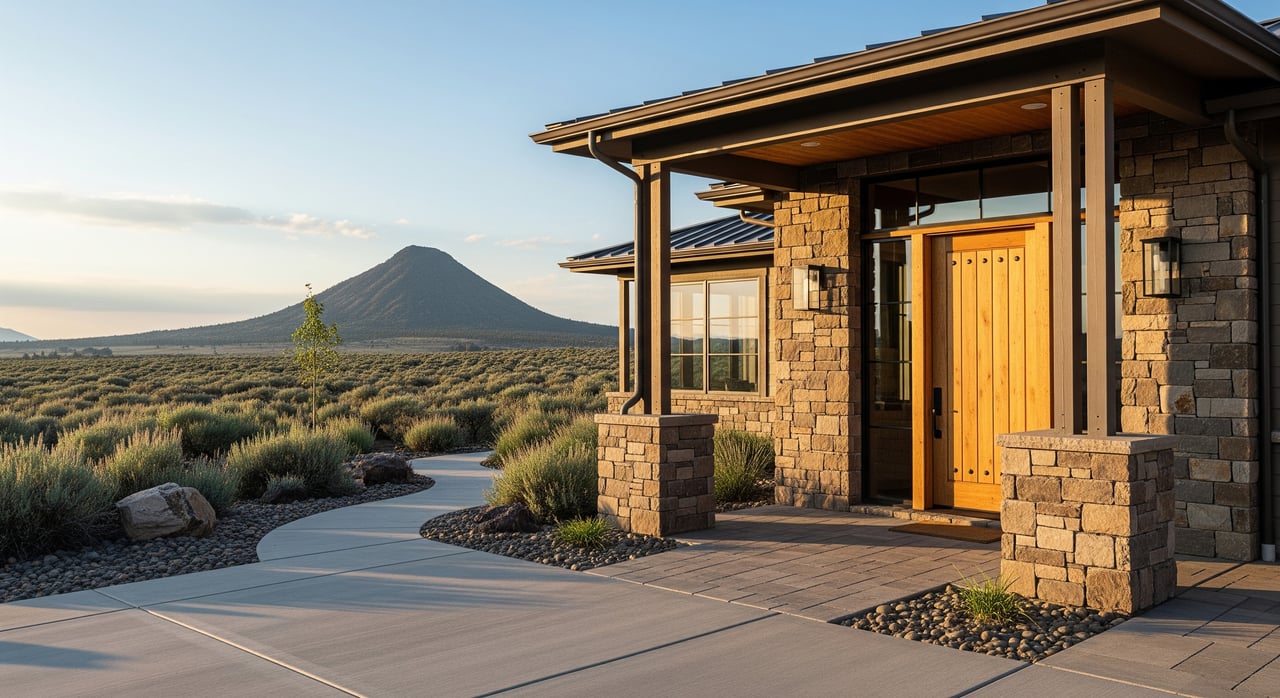
Earnest Money in Powell Butte OR: Escrow Essentials
December 18, 2025
December 18, 2025
Are you wondering how much earnest money to offer on a Powell Butte home, or what happens to that deposit once your offer is accepted? You are not alone. Buyers and sellers across Central Oregon ask these questions every week. In this guide, you will learn what earnest money is, how escrow works, what amounts are common in our area, and how to protect your deposit from contract to closing. Let’s dive in.
Earnest money is a buyer’s good-faith deposit once an offer is accepted. It shows the seller you are serious. If the sale closes, your deposit is applied to your down payment and closing costs.
Your purchase agreement sets the rules for when the deposit is refundable and when it can be forfeited. Contingencies in the contract, like inspection or financing, are the key protections that help you keep your deposit if you cancel for a valid reason within the allowed time.
In Oregon, a neutral third party known as escrow holds the deposit and follows the written instructions in the purchase contract. In many Central Oregon transactions, a title or escrow company acts as the closing agent. They hold funds in a trust account, coordinate title work, and disburse money at closing.
Sometimes a listing broker may receive the initial deposit, but funds are typically delivered to the designated escrow or title company early in the process. Your contract names who will hold the funds and where to deliver them.
Earnest money varies with market conditions, price point, and property type. In modest or balanced situations, deposits often range from about $1,000 to $5,000. For mid to higher-priced homes, deposits are often a percentage of price, commonly around 1 to 3 percent.
Here are examples used locally to frame expectations, not rules:
Always confirm expectations with your buyer’s agent and the listing broker for a specific property.
While your contract controls the exact dates, many Central Oregon transactions follow a similar flow:
During this time, escrow opens the file, orders a title search, and coordinates with both parties to handle payoffs, prorations, and recording.
Contingencies are conditions you must be able to satisfy or waive before you are required to close without a refund of earnest money. Common buyer protections include:
If you act within the timeline and follow the notice procedures in your contract, your earnest money is typically refundable under these contingencies.
Disputes usually hinge on timing and documentation. Here are general outcomes you might see:
Powell Butte is rural, and properties may include wells, septic systems, access easements, and larger acreage. Plan inspections and due diligence with these features in mind. Order well and septic inspections early so you can act within the inspection window.
If you are buying in a resort or HOA environment, document review is essential. Covenants, rental restrictions, and shared access rules can shape how you use the property. In strong competition, sellers may expect larger deposits or shorter timelines, which increases your risk if you waive protections.
Escrow safeguards your earnest money in a trust account. At closing, they apply it to your costs or down payment and handle final tasks like payoffs, prorations for taxes and dues, issuing title insurance, and recording the deed with Crook County.
Clear timelines and the right contingencies protect your deposit and reduce stress. A local, hands-on broker helps you set a smart deposit, meet deadlines, and coordinate rural inspections so you close with confidence. If you want straightforward guidance in Powell Butte and Crook County, connect with Brent Krebs for local expertise and responsive service.
Stay up to date on the latest real estate trends.

Whether you’re buying your first home or selling a property, Brent Krebs Realty is here to help. We combine local insight with a client-first approach to deliver results that matter.