Prineville Acreage Living: Everyday Life & Key Considerations
February 5, 2026
February 5, 2026
Dreaming of big skies, elbow room, and a few animals in the yard? Acreage near Prineville can deliver that rural lifestyle, but it also comes with different routines and responsibilities than an in-town home. You want clear, local guidance before you commit. In this guide, you’ll learn what day-to-day life looks like, how utilities work, what chores to expect by season, and the key due-diligence steps that protect your investment. Let’s dive in.
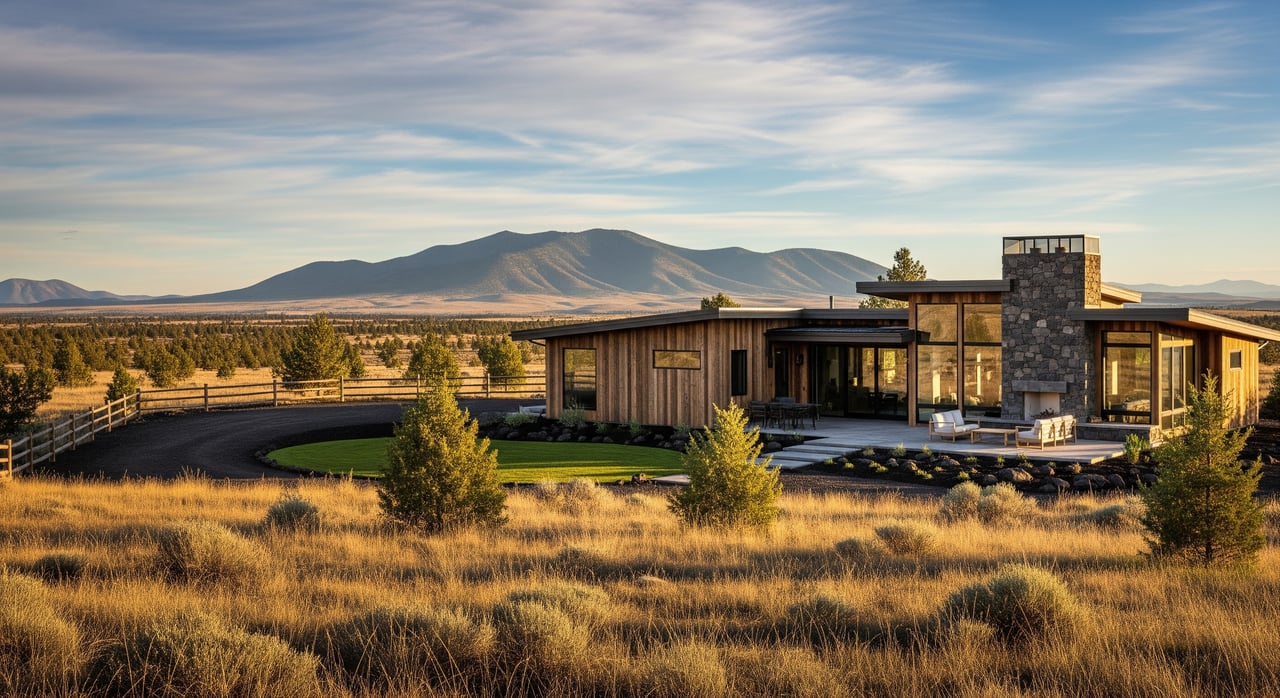
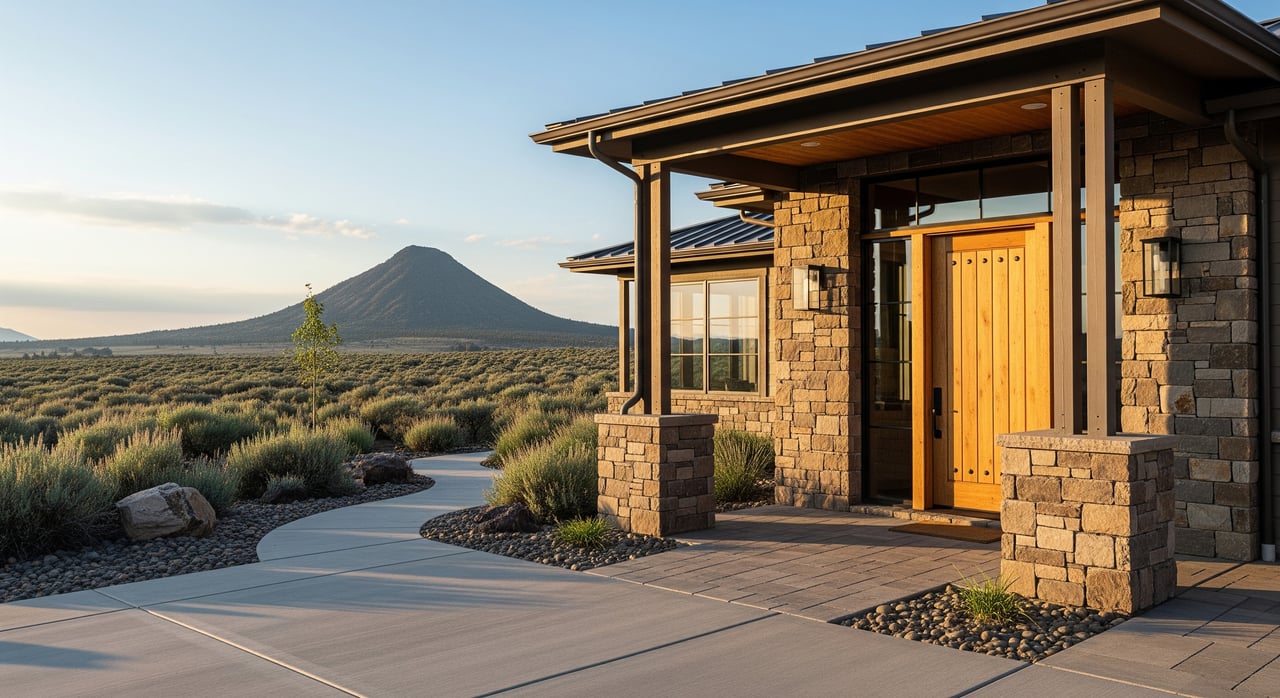
Prineville sits in Central Oregon’s high-desert landscape where rangeland meets the Ochoco Mountains. You’ll see juniper, sage, low ridgelines, and big, open views. Summers are typically hot and dry. Winters are cold with occasional snow, especially as you move east toward higher elevations.
Many acreage owners commute into Prineville for work and services or travel to Redmond and Bend for larger medical and retail needs. Expect quiet nights, brighter stars, and a strong connection to outdoor recreation.
You’ll find everything from 1–10 acre hobby parcels to 20+ acre ranchettes and grazing properties. Smaller parcels near town are often rural residential. Larger tracts may be classified for farm or forest use. Common setups include a single residence with a shop or barn, a small horse or livestock operation, hay fields, or a mostly natural parcel for privacy and recreation.
Uses, setbacks, and accessory structures depend on Crook County zoning. Most new structures need permits. Wells and septic systems require state and county approvals. If you plan to irrigate or keep livestock at scale, water rights and qualifying land-use classifications matter. Checking these items up front helps you avoid surprises.
Shops, barns, loafing sheds, fencing, and driveways are common projects on acreage. Budget for permitting, materials, and time. If you’re bringing in power or expanding utilities, factor that into your plan.
Most rural properties rely on a private well. You’ll want to verify well depth, production, and water quality. If you need irrigation or plan to water animals from surface sources, confirm any water rights. Some owners install storage tanks or manage usage during dry spells.
A septic system handles onsite wastewater. Ask for permit history, age, and maintenance records. Inspections help you understand current condition and remaining life. Keep the drainfield clear of heavy vehicles and deep-rooted plants.
Electric service is usually available, but line extensions can be the owner’s expense. Many acreage owners maintain a generator or consider solar with batteries for resilience during outages.
Roads near town are often paved, then transition to county gravel or private roads. On gravel or steeper drives, plan for snow removal and occasional 4WD during storms. Private roads may have maintenance agreements, so review who pays for grading, snow plowing, and repairs.
Coverage varies by location. Some parcels have wired broadband. Others rely on fixed wireless or satellite. Always verify options and speeds for the exact address before you buy.
It’s common to see deer, coyotes, rabbits, raptors, and other native species. If you keep small livestock or poultry, plan for solid fencing, night enclosures, and thoughtful feed storage. For gardens and hay fields, simple steps like fencing, raised beds, and trapping or integrated pest management can reduce damage from rodents and insects.
Prineville provides groceries, fuel, basic medical clinics, county services, and local retail. For larger hospitals or specialty care, residents often travel to Redmond or Bend. Many parcels are within minutes of the city limits, while others can be 20–45 minutes away depending on location and road type.
In rural areas, emergency response can take longer than in town. Know your property’s address signage, access routes, and local fire district. Build defensible space and keep driveways accessible for emergency vehicles.
Crook County schools serve rural families, and school bus routes often cover outlying areas. If school transportation matters to you, check route coverage and pickup times for your location.
Outdoor access is a major benefit of living near Prineville. You can explore hiking, fishing, hunting, mountain biking, horseback riding, and OHV trails. The Ochoco National Forest offers campgrounds and trail systems. Locally, you’ll find farmers markets, fairs, volunteer opportunities, and small-town events that make it easy to connect.
Rural properties may need a lender familiar with land-plus-home loans. Vacant land can require higher down payments. Property taxes depend on classification, such as residential or farm/forest, so review the assessor’s records before you write an offer. Home and wildfire insurance costs vary by location and risk profile. Some insurers expect fire-hardening steps and defensible space.
New homes, shops, barns, and major remodels usually require building permits. Septic installations and well drilling need state and county approvals. If you plan bigger changes like subdividing or adding certain commercial or agricultural uses, you may need a land-use review. Build timelines can vary by season, contractor availability, and permitting speed, so plan ahead.
If you love open space and hands-on property care, acreage near Prineville can be a great fit. You gain privacy, room for projects, and quick access to the outdoors. In return, you take on more responsibility for maintenance, water and septic systems, and wildfire preparedness. A clear-eyed plan and solid due diligence make the lifestyle both rewarding and manageable.
Ready to explore parcels that match your goals? Get local, hands-on guidance and MLS-backed tools with Brent Krebs. Schedule a Consultation.
Stay up to date on the latest real estate trends.
Whether you’re buying your first home or selling a property, Brent Krebs Realty is here to help. We combine local insight with a client-first approach to deliver results that matter.