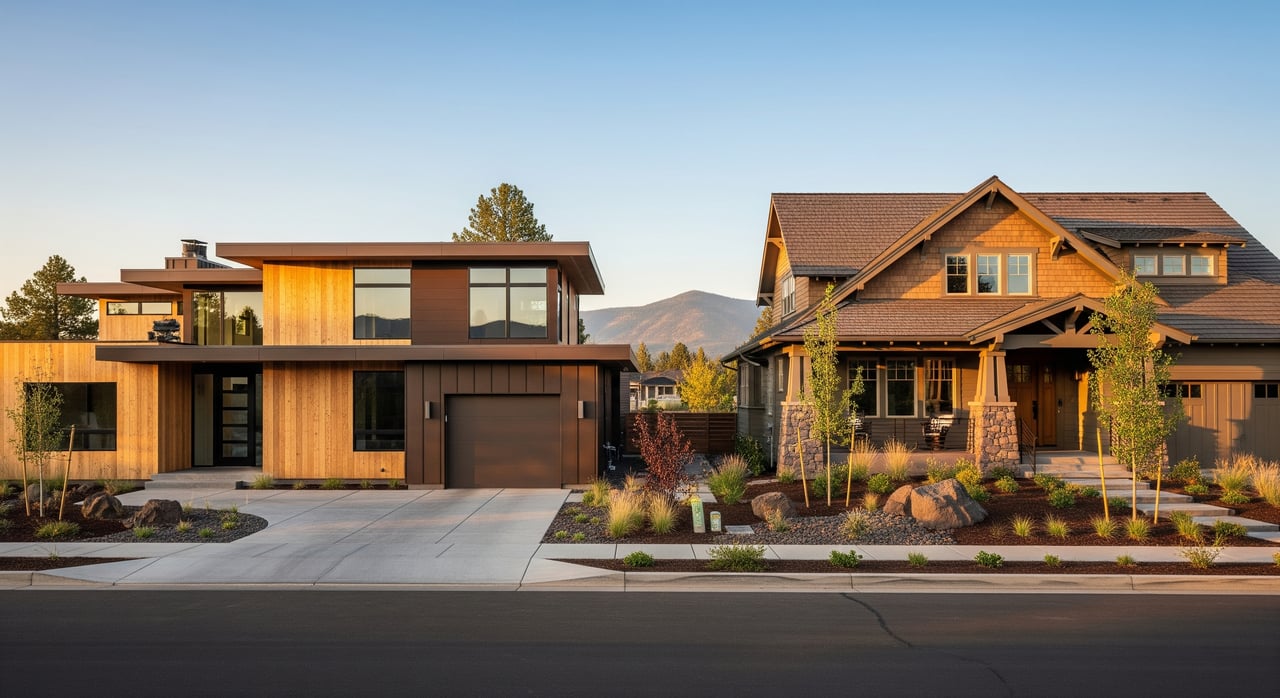
New Construction vs Existing Homes in Redmond, OR
January 15, 2026
January 15, 2026
Thinking about buying in Redmond but unsure if a brand‑new build or an existing home is the smarter move? You are not alone. With steady demand across Central Oregon, both options can make sense depending on your budget, timeline, and comfort with maintenance. In this guide, you will learn the real trade‑offs for Redmond buyers, how financing and timelines differ, and what to watch for with warranties, inspections, and rural properties. Let’s dive in.
Redmond serves as a regional hub with an airport, medical services, and everyday amenities, which keeps demand healthy across neighborhoods and nearby rural areas. City planning, available lots, and System Development Charges influence new‑home pricing, while established neighborhoods offer move‑in options that close faster. For the latest local prices and sales trends, check Central Oregon Association of REALTORS market reports. This local context helps you weigh cost certainty versus speed to close.
New construction often comes with a premium per square foot because the price includes the lot, developer costs, modern finishes, and builder profit. You also get the benefit of energy‑efficient systems and fewer near‑term repairs. Existing homes can price lower per square foot, but condition, age, and any needed updates drive the true cost. Rural properties may price differently due to acreage, outbuildings, and utility setup.
When you compare homes, look beyond the sticker price and factor in:
With new construction, you will choose between a construction‑to‑permanent loan or a separate construction loan followed by permanent financing. This choice affects your rate exposure and closing timeline. Longer build times can introduce rate risk unless you use a long‑term lock or single‑close program. For both new and existing homes, be aware of appraisal gaps, especially if upgrades push the price above recent comparable sales.
A typical new‑build path includes lot reservation, contract and deposit, permitting, site work, framing, mechanicals, finishes, final inspections, and the Certificate of Occupancy. Many single‑family builds take about 6 to 12 months once construction starts, but timing depends on weather, materials, workforce, permits, and utility availability. Builders may include contract language that allows delays, so review completion protections and remedies.
Most existing‑home purchases follow a predictable 30 to 45 day path from accepted offer to close, assuming financing and appraisal proceed normally. You will complete inspections, negotiate repairs or credits, and move through appraisal and underwriting. If you need to move on a set date, an existing home often provides the most predictable schedule.
New homes commonly provide layered coverage, though terms vary by builder. A workmanship and materials warranty often covers the first year. Systems like HVAC, plumbing, and electrical may have separate coverage for one to two years. Many builders include a longer structural warranty, sometimes up to ten years. Always review the written warranty for coverage, exclusions, and claim procedures.
Even new homes benefit from independent inspections at key stages, such as pre‑drywall and final. An outside inspector can spot issues that a final walkthrough might miss. For existing homes, order a general inspection and consider specialized checks like pest, sewer scope where applicable, and roof evaluations. Thorough inspections inform negotiations and reduce surprises after closing.
In Oregon, the Construction Contractors Board licenses and regulates contractors and maintains complaint procedures. Before you sign, verify that your builder or contractor is registered and bonded. If warranty issues arise, follow the contract’s claim process and keep documentation. You can also review state resources or consult an attorney for detailed guidance.
New homes align with current layout and efficiency preferences, which supports future demand. In large new communities, many similar homes can hit the market at once, which may limit short‑term appreciation until the neighborhood is absorbed. Builder reputation and documented build quality influence resale strength.
Established neighborhoods often offer mature landscaping and easier comparable sales for appraisals. Rural properties can attract buyers who value space, privacy, views, or room for hobbies. At the same time, wells, septic systems, and road access create a smaller buyer pool, which can lengthen days on market. Consider proximity to amenities, US‑97 access, the airport, and the Redmond School District 2J when you weigh resale.
If you are considering acreage outside city limits, factor in well permitting, water rights, and septic approvals. The Oregon Water Resources Department covers well and water‑rights basics, and Deschutes County Environmental Health manages septic site evaluations and permits. Access, fire district coverage, and road maintenance responsibilities affect insurance and ongoing costs. These items also matter for appraisal and resale, so document them during due diligence.
A local buyer’s agent does more than write offers. You get:
Use this shortlist to compare properties on equal footing.
Choose new construction if you value modern systems, energy efficiency, and the ability to personalize finishes, and if your move date is flexible. Choose an existing home if you want a faster close, a defined neighborhood setting, and the chance to negotiate on price or repairs. If you want space and privacy, a rural property can be a great fit, but build extra time and due diligence into your plan.
Ready to compare real options in Redmond with clear numbers and timelines? Connect with a local, owner‑led brokerage that knows city neighborhoods, rural systems, and builder contracts. Reach out to Brent Krebs to walk through your choices and line up inspections, financing, and a clean path to closing.
Stay up to date on the latest real estate trends.
Whether you’re buying your first home or selling a property, Brent Krebs Realty is here to help. We combine local insight with a client-first approach to deliver results that matter.