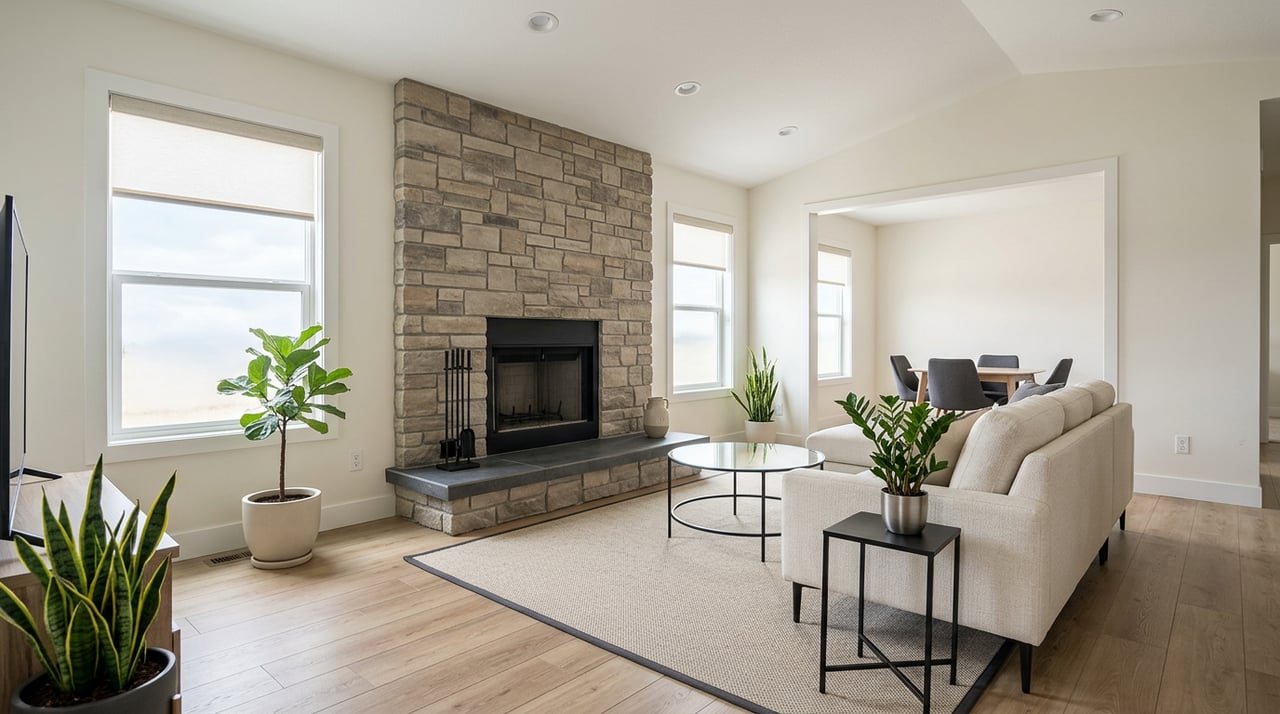
Your Guide to Buying a Manufactured Home in Prineville
March 5, 2026
March 5, 2026
Thinking about a manufactured home in Prineville but not sure where to start? You are not alone. These homes can stretch your budget, yet the rules, financing, and site choices can feel confusing. In this guide, you will learn how manufactured homes work in Crook County, what it takes to place one in town or on acreage, how financing differs, and the steps to buy with confidence. Let’s dive in.
A manufactured home is built in a factory to federal HUD standards and shipped to the site. The HUD Code applies to units built on or after June 15, 1976. You can confirm compliance by finding the red HUD certification labels on each section and the interior data plate. For a clear overview of HUD Code basics and labels, review the HUD consumer resources page from the source. HUD’s consumer resources explain the standards and labels.
This distinction matters. Many lenders, appraisers, and building officials will ask for a photo of the HUD data plate and sticker before moving forward. Make it a habit to request those photos early in your search. It saves time and helps you compare homes accurately.
Rules for placement depend on whether you are inside city limits or in the county. In Crook County, manufactured dwellings on individual lots must meet local siting standards and pass final inspection. The county also enforces a key age rule: units placed on individual lots must generally be no more than 15 years old at the time of application, unless an exception is granted. Review the standard closely before you make an offer. See Crook County’s manufactured dwelling standards and age rule.
Inside the City of Prineville, the zoning ordinance identifies where manufactured homes are allowed, and it sets appearance and foundation standards outside of parks. A placement permit and site plan are required, and the home must connect to approved water and sewer before occupancy. If you plan to replace an older unit, verify the zone and standards before you proceed. Check the City of Prineville’s placement and zoning rules.
Crook County’s Building Department manages local permits and inspections and may ask for a HUD sticker photo for pre-owned units. Expect to obtain a local placement or installation permit and schedule a final inspection. It is smart to speak with county staff early so you understand timing and fees. Start with Crook County’s residential applications page.
Manufactured homes offer two common siting paths in the Prineville area. Each path affects your upfront cost, financing, and long-term flexibility.
If you own the lot, you can apply to record the manufactured structure in county deed records. Once recorded, the state cancels the manufactured structure ownership document and the home is treated as real property. That status typically opens the door to conventional mortgage options, longer loan terms, and standard property tax treatment. The recording and cancellation steps are spelled out in Oregon law. Review Oregon’s manufactured dwelling statutes in ORS 446.
A real-property conversion also helps when you plan to sell in the future. It can simplify appraisal and attract a wider group of buyers. Ask the Crook County Assessor whether a specific home is already recorded as real property.
Buying in a manufactured home park usually means you purchase the home itself while leasing the pad. Most buyers use a personal-property loan, known as chattel financing. The Consumer Financial Protection Bureau notes that chattel loans often carry higher interest rates, shorter terms, and fewer refinance options than mortgages. Understand this tradeoff before you write an offer. Read the CFPB’s summary of manufactured housing loans.
Oregon also has park-tenant protections that cover things like required disclosures, notice rules for park closure, and relocation payments. Always ask for the current rental agreement and park rules before committing. If you want to see the statutory framework, it is in ORS chapter 90. See Oregon’s manufactured home park and tenant rules.
Financing a manufactured home depends on siting and title status.
Tip: When you prequalify, ask lenders exactly what documents they need for a manufactured home. Many will request the HUD data plate, foundation details, and proof of real-property status if you plan to use a mortgage.
Oregon requires installation permits for manufactured homes, and local building officials enforce how homes are sited, anchored, and inspected. In Prineville and Crook County, you will apply for a placement or installation permit and schedule a final inspection before occupancy. State administrative rules govern installation standards and disclosures. For technical requirements, your contractor and local officials will rely on state installation rules. See the Building Codes Division’s administrative rules (OAR 918).
Hire an inspector who knows HUD-code homes. Ask them to verify the HUD data plate and exterior HUD labels and evaluate the structure and systems. Priorities include the roof and eaves, floor stiffness, windows and doors, plumbing, water heater, furnace, electrical systems, and safety items.
The underside tells you a lot. Ask your inspector to check the skirting, vapor barrier, anchors and tie-downs, pier blocks, and any perimeter supports. Lenders often require a foundation and installation certification for mortgages, so get clarity on what your lender expects before you schedule inspections.
On a city lot, confirm water and sewer are available and permitted for connection. On a rural parcel, budget time for a septic site evaluation and design, plus any well testing or drilling. These items affect timeline and cost and need early attention. If you are comparing buildable lots, a practical primer can help you frame the steps and checks in Prineville.
Every site is different, but you should plan for these common categories:
Get at least two local bids for site work. Ask the Crook County Building Department to confirm permit fees and what must be inspected at each step. Build a small contingency into your budget for weather or access delays.
Follow this sequence to keep your purchase on track:
Buying a manufactured home in Prineville can be a smart move when you match the right home, site, and financing. Focus on the HUD labels, confirm local rules, and choose a lender who understands manufactured housing. If you want local guidance from first search to final inspection, let’s talk about your plan and timeline.
Schedule a Consultation with Brent Krebs to get started.
Stay up to date on the latest real estate trends.
Whether you’re buying your first home or selling a property, Brent Krebs Realty is here to help. We combine local insight with a client-first approach to deliver results that matter.