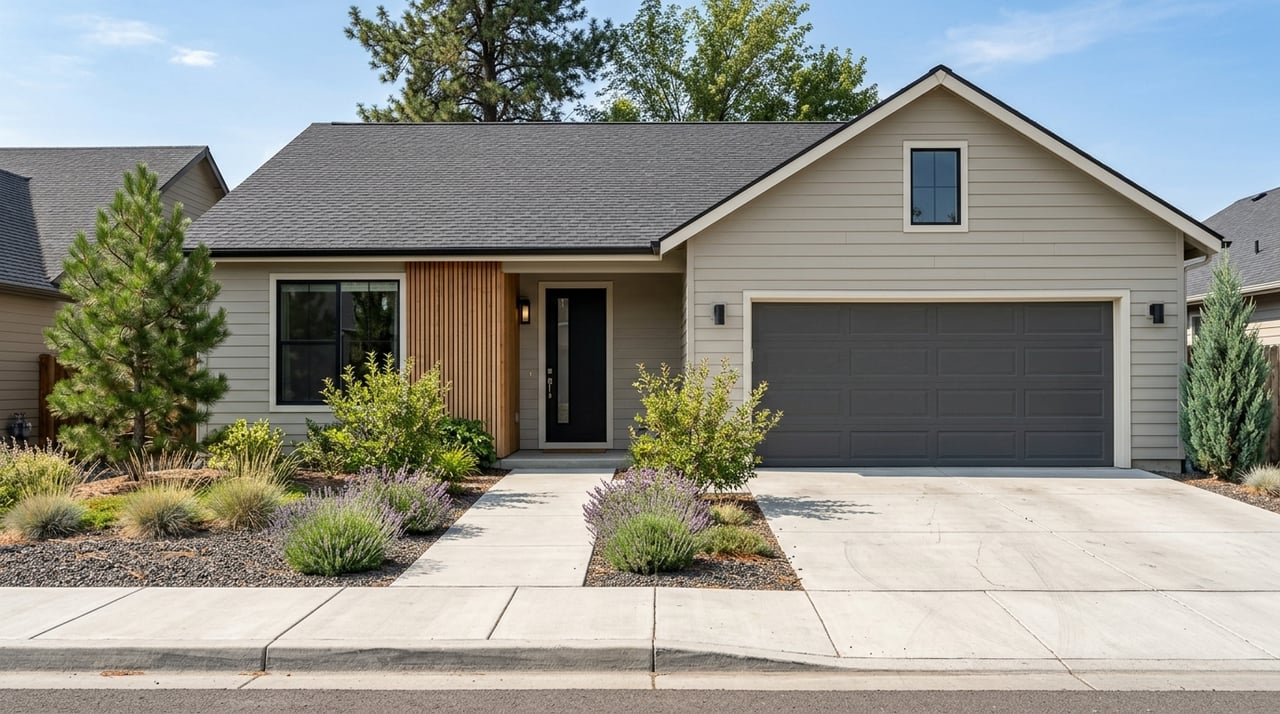
Redmond Oregon Neighborhoods Overview & Home Lifestyles
April 2, 2026
April 2, 2026
If you have started looking at homes in Redmond, you have probably noticed something right away: one part of town can feel historic and close-knit, while another feels newer, more planned, or even semi-rural. That variety can be exciting, but it can also make your search feel harder if you are not sure how each area fits your lifestyle. This guide breaks down Redmond’s home styles and neighborhood patterns so you can better understand what you are seeing and what might suit you best. Let’s dive in.
Redmond is a growing Central Oregon city with an estimated population of 37,626 in 2024 and about 14,334 housing units, according to the U.S. Census Bureau QuickFacts. Census data also shows a 64.5% owner-occupied housing rate in recent years, which points to a strong base of homeowners even as the city continues to add new housing.
Part of Redmond’s variety comes from how the city has grown over time. Its development pattern includes older in-town blocks, newer subdivisions, mixed-use planning areas, and edge-of-town land that may still be transitioning toward future urban development. In practical terms, that means you can see very different housing styles and neighborhood rhythms within a short drive.
Redmond’s first town plat was filed in 1905, with 80 blocks laid out and 12 central blocks reserved for downtown commercial use. More than 600 residential lots were part of that early plan, and the city’s early growth was shaped by the railroad, the irrigation canal, and Dry Canyon, according to the historic residential resources study.
That history still shows up in the street pattern today. Older in-town areas often feel compact, gridded, and layered, with homes from different eras sitting near one another rather than following a single subdivision style.
If you are drawn to homes with character, this part of Redmond may stand out. The city’s historic study identifies Craftsman homes, Minimal Traditional houses, and postwar Ranch homes as common forms in older neighborhoods.
You may also notice that these blocks often feel less uniform than newer developments. Many early residences were built from practical, utilitarian plans, so the result is often a patchwork of styles instead of a highly coordinated streetscape.
Downtown Redmond remains the city’s historic core and a major civic center. The city notes long-running revitalization work that has included streetscape improvements, infrastructure upgrades, a city center park, and more than 100 façade improvements in the historic center, as described on the Downtown Redmond page.
For you as a buyer, that can translate into a more established, connected feel. Central amenities like Centennial Park, the nearby Dry Canyon Trail system, and downtown businesses can make close-in neighborhoods feel convenient for day-to-day routines.
One feature that adds to the appeal of central Redmond is the Homestead Canal Trail. This 5.3-mile paved multi-use trail follows the canal corridor and is intended to connect neighborhoods with shopping areas, job centers, a regional transit hub, parks, and medical facilities.
That kind of connection can make an older neighborhood feel more practical than you might expect at first glance. A home near central Redmond may offer not just historic character, but also easier access to everyday destinations.
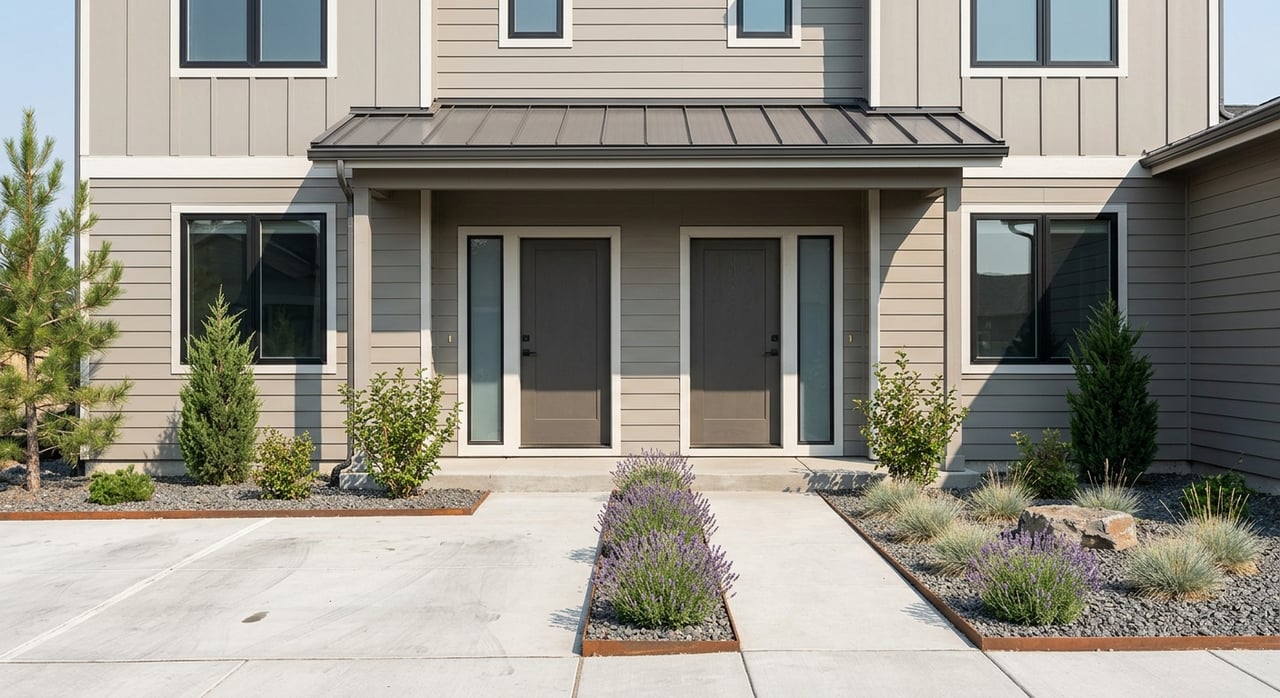
If your preference is something more recent, Redmond has plenty of newer and emerging housing options. The city’s zoning framework allows for a range of residential types, from lower-density areas focused on detached single-family homes to higher-density areas that can include duplexes, townhouses, middle housing, and multifamily development, according to the Redmond Development Code.
That means newer neighborhoods in Redmond do not all look the same. Some may feel like conventional subdivisions with detached homes, while others may be more compact and include a mix of housing forms.
The city’s Southwest Area Plan is a good example of how Redmond organizes growth. In that planning framework, R-2 areas are meant for standard-density single-family neighborhoods, R-4 areas generally allow a mix that can include single-family homes and townhouses, and R-5 areas support apartments, townhouses, and condominiums.
The plan also includes MUN, or mixed-use neighborhood areas, where small-scale retail and housing can be combined. In some cases, that can mean residences above retail or live-work spaces, which creates a different feel from a purely residential subdivision.
The West Redmond Area Plan shows how the city is thinking about future growth on roughly 440 acres within the urban growth boundary. The city describes the area as being near existing residential development and Highway 126, with plans that include a neighborhood, commercial, and mixed-use center on the west side.
For buyers, this matters because newer areas are often being planned with both housing and services in mind. Instead of isolated housing tracts, some parts of future Redmond are being designed to include more local support uses alongside homes.
One of the clearest examples is Northpoint Vista, a 40-acre mixed-income neighborhood planned for 450 units near NE Kingwood Avenue and NE 15th Street. The city says the project is expected to include affordable, workforce, and market-rate housing for both ownership and rental, plus commercial services, walking paths, and open-space park areas.
Housing there is expected to include apartments, duplexes or townhouses, and single-family homes. If you are exploring newer parts of Redmond, this gives you a good sense of the more mixed housing pattern you may encounter.
Not every property near Redmond fits neatly into an in-town or subdivision category. Some nearby areas have a more rural residential pattern, especially outside the urban growth boundary.
Deschutes County explains that rural residential zones such as RR-10 are intended to maintain a rural character. In RR-10, allowed uses can include single-family dwellings, accessory dwelling units, agriculture, small-scale horse stables, and limited home businesses, according to the county’s base zones overview.
Some land around Redmond is neither fully urban nor fully rural. The city’s development code describes the UH-10 urban-holding zone as land intended to remain in a more agricultural state until urbanization occurs in the future.
If you drive these fringe areas, you may notice that transitional feel. You can see larger undeveloped or lightly developed parcels beside areas that may eventually become more urban over time.
For many buyers, the biggest difference comes down to daily rhythm. Rural and fringe properties often offer larger parcels, more open views, and a quieter setting, but they may also come with a more drive-to-conveniences lifestyle than central Redmond.
That does not make one option better than another. It simply means your best fit depends on whether you want close-in access, a newer planned setting, or more breathing room on the edge of town.
Older in-town Redmond may be worth a closer look if you like established streets, a gridded layout, and homes with varied architecture. You may find Craftsman, Minimal Traditional, and Ranch styles near downtown and other close-in blocks, along with stronger connections to trails, parks, and civic amenities.
This type of setting can appeal to buyers who want a neighborhood with visible history and a less uniform feel. It can also work well if access to downtown Redmond matters in your day-to-day routine.
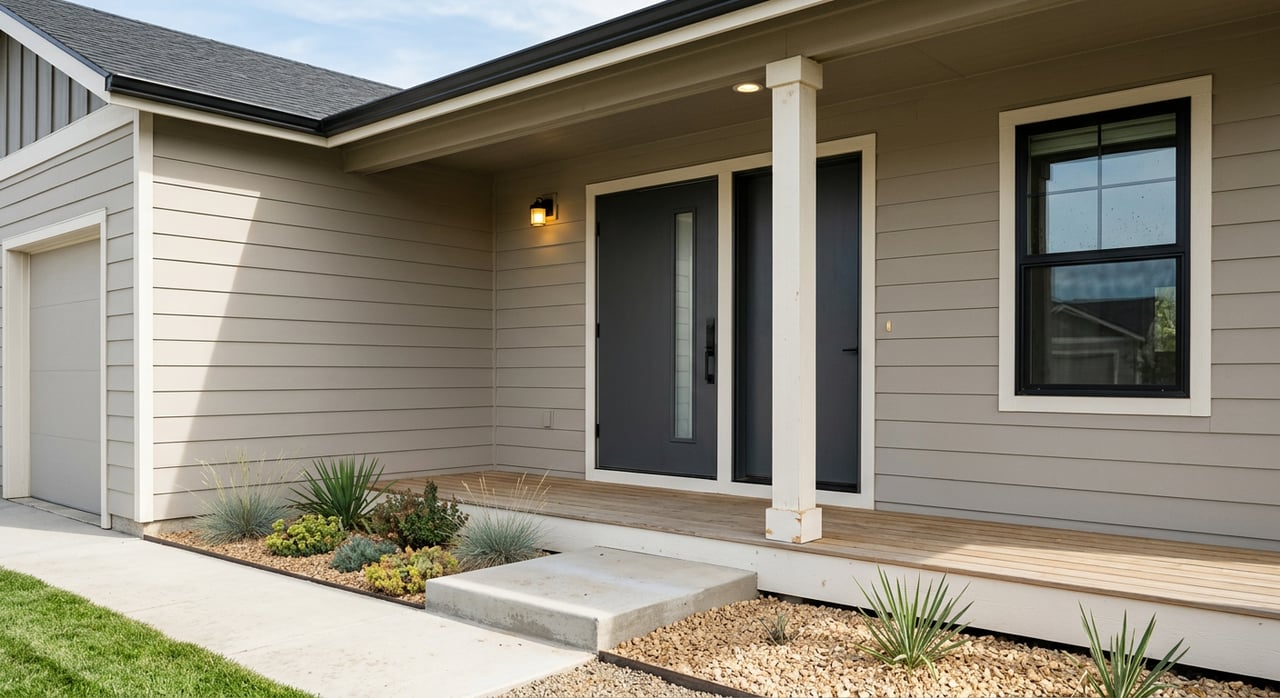
Newer subdivisions and growth areas may fit best if you prefer a more recent home, a more consistent streetscape, or a neighborhood that is being built with paths, parks, and mixed housing in mind. Depending on the area, you may see detached homes, duplexes, townhouses, or multifamily options.
This kind of neighborhood can be a strong fit if you want a more modern layout or are open to an evolving part of the city. It can also give you more choices if your budget or household needs point toward different housing types.
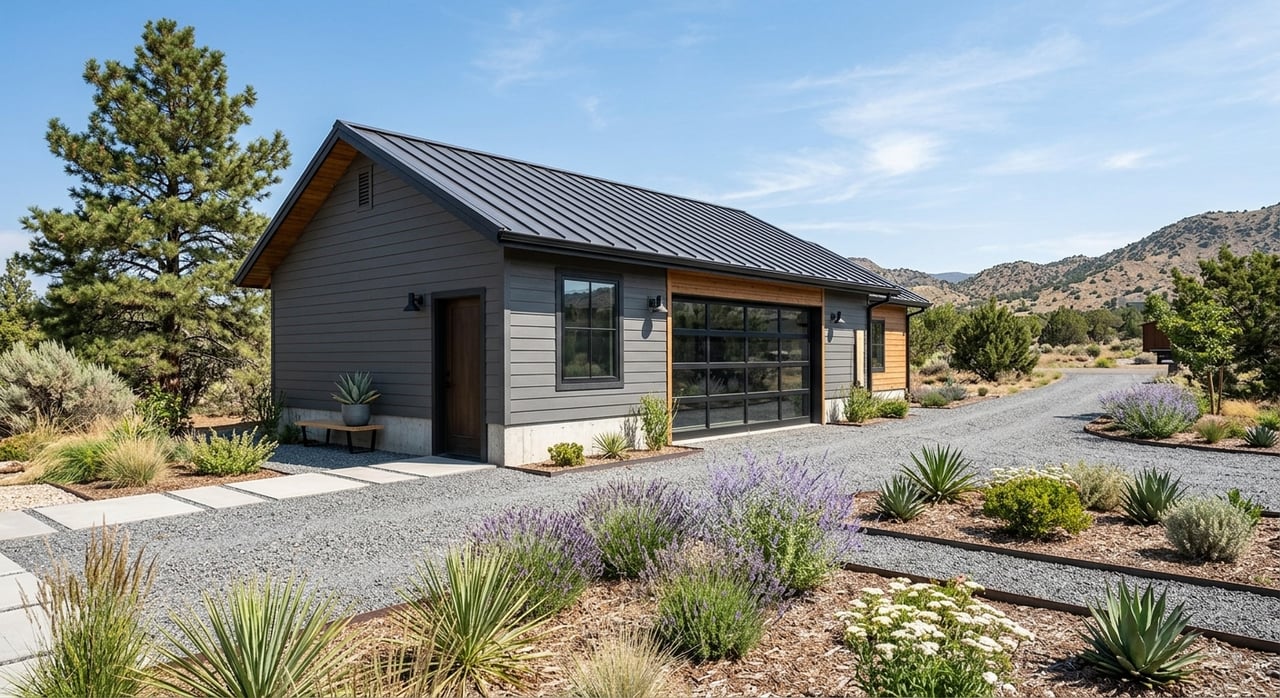
Properties on the edge of Redmond or in nearby rural areas may appeal to you if lot size and open space are high priorities. These areas often feel less dense and more spread out, with a lifestyle that depends more on driving than walking.
If you are considering this type of property, local guidance matters. Details like zoning, access, and how an area may change over time can all affect whether a property fits your long-term plans.
Redmond is not a one-style market, and that is part of its appeal. You can find older homes near the historic core, newer neighborhoods shaped by current planning, and edge-of-town properties that still carry a more rural feel.
The key is to look beyond the listing photos and ask what the surrounding area will feel like in everyday life. When you understand how Redmond developed and where it is headed, it becomes much easier to narrow your search and focus on the neighborhoods that match your goals.
If you want help sorting through Redmond’s different neighborhood patterns, home styles, or edge-of-town property options, connect with Brent Krebs. You will get practical, local guidance tailored to the way you want to live and move in Central Oregon.
Stay up to date on the latest real estate trends.
Whether you’re buying your first home or selling a property, Brent Krebs Realty is here to help. We combine local insight with a client-first approach to deliver results that matter.