Buying Acreage in Powell Butte: Key Checks First
May 21, 2026
May 21, 2026
Buying acreage in Powell Butte can feel exciting right up until you realize the land itself is only part of the decision. What really matters is whether a parcel can support what you want to do with it, from building a home to adding utilities or using irrigation water. If you want to avoid costly surprises, a little upfront due diligence can save you time, money, and stress. Let’s dive in.
In Powell Butte, zoning is one of the first things you need to verify before you fall in love with a property. Crook County identifies the Powell Butte area as EFU-3, and that zoning is intended to protect farmland and tightly regulate dwellings.
That matters because not every acreage parcel can be used the same way. County materials describe several dwelling categories in EFU zones, including farm dwellings, lot-of-record dwellings, and non-farm dwellings. If you are planning to build, you need to confirm that your intended use fits the specific parcel.
One of the biggest misunderstandings buyers have is assuming acreage automatically means buildable. In EFU areas, Crook County notes that non-farm dwellings are the exception and can be difficult to obtain. That makes parcel-specific planning review essential before you close.
Some Powell Butte acreage may be receiving special farm tax assessment. If that land is later disqualified because of a non-farm dwelling approval, Crook County warns that additional tax or deferred tax liability may apply.
In plain terms, a lower tax bill today does not always mean lower long-term costs. If your plans involve changing the use of the property, ask early whether the parcel has special assessment and what that could mean for you.
Crook County provides a clear development checklist, and the order matters. The county places septic soil evaluation first, then land-use approval, then road approach review if needed, then septic construction permit or authorization, and finally building permits.
That sequence is important because buyers often focus on home plans before checking the basics. In Powell Butte, the land may look perfect, but if septic, access, or land-use approval does not line up, your timeline and budget can change fast.
For rural property in Powell Butte, septic is a major buildability issue. Crook County says its on-site septic program is the county-administered process for rural development where no public sewer is available, and the process starts with a site evaluation using test holes.
If you are buying undeveloped land, ask whether the property has already been evaluated for septic suitability and request the site evaluation report. Oregon DEQ also notes that later changes, such as fill, driveways, or well construction, can affect suitability.
If the property already has a septic system, do not assume it is in good working order or correctly sized. DEQ recommends hiring a qualified inspector and checking whether the system was installed with a permit, whether there is a replacement area set aside, and whether there are signs of failure.
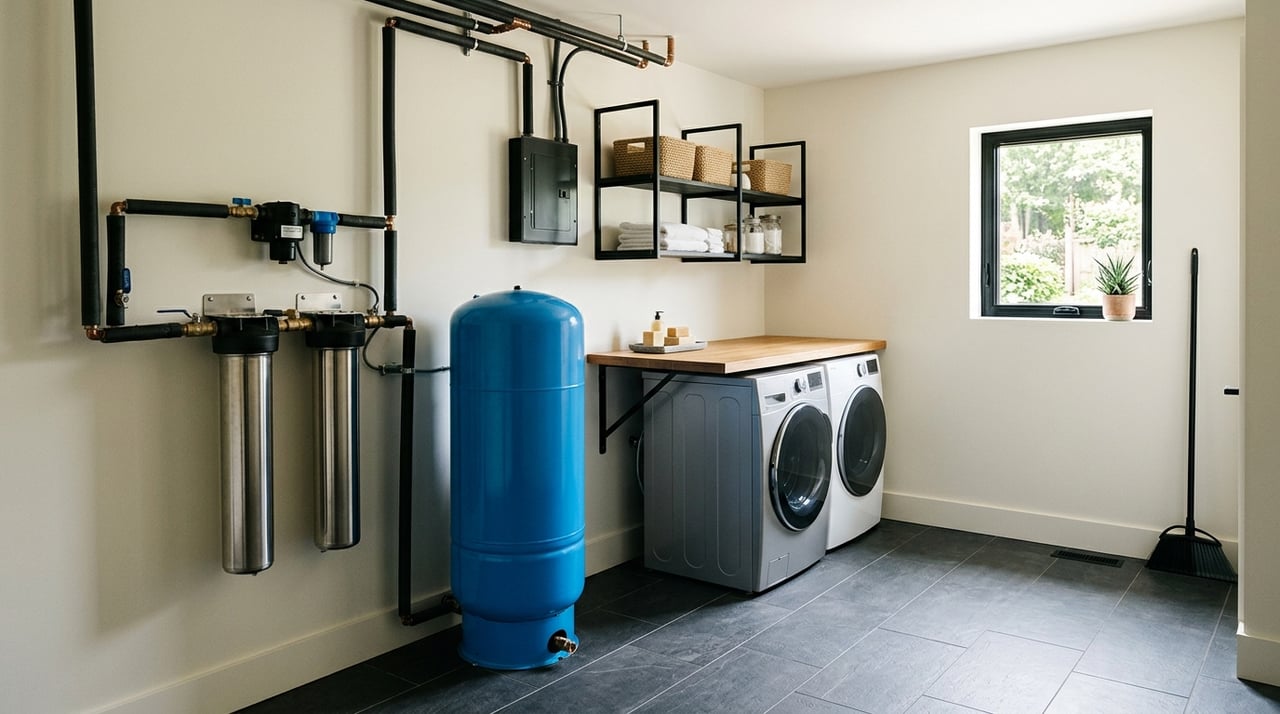
If a domestic well serves the property, Oregon has specific rules during a real estate transaction. Under the Domestic Well Testing Act, the seller must test the well and share results for arsenic, nitrate, and coliform bacteria, along with the required RET form. Those results are valid for one year.
This rule applies to domestic wells used for drinking, cooking, washing, or bathing. Oregon Health Authority says spring wells, irrigation-only wells, and wells on undeveloped land are exempt from this domestic-well transaction testing rule.
You should also ask for the well report and confirm the well ID status. Oregon Water Resources Department says most well reports since 1955 are available and can show details such as well depth, casing size, flow rate, and water level. If a well does not already have a well ID label, Oregon requires one within 30 days of property transfer.
Legal and physical access can make or break an acreage purchase. Crook County's development checklist flags road approach review early in the process for access from a county-maintained or public road.
The county's road approach form says only one access per parcel or lot is allowable on public or county roads. The application may require photos, a site plan, and a recorded access or easement if applicable.
This is one reason you should not wait until after closing to review access. If the parcel depends on an easement, a shared road, or a new approach, those details need to be confirmed before you commit.
Not every road in rural Crook County is maintained the same way. The Road Department says it prioritizes sanding, plowing, and de-icing on county-maintained roads, with priority based on factors like bus routes, emergency response facilities, traffic volume, intersections, hills, and curves.
For buyers, the takeaway is simple: verify whether access is county-maintained or privately maintained. That can affect year-round use, maintenance expectations, and your overall comfort with the property.
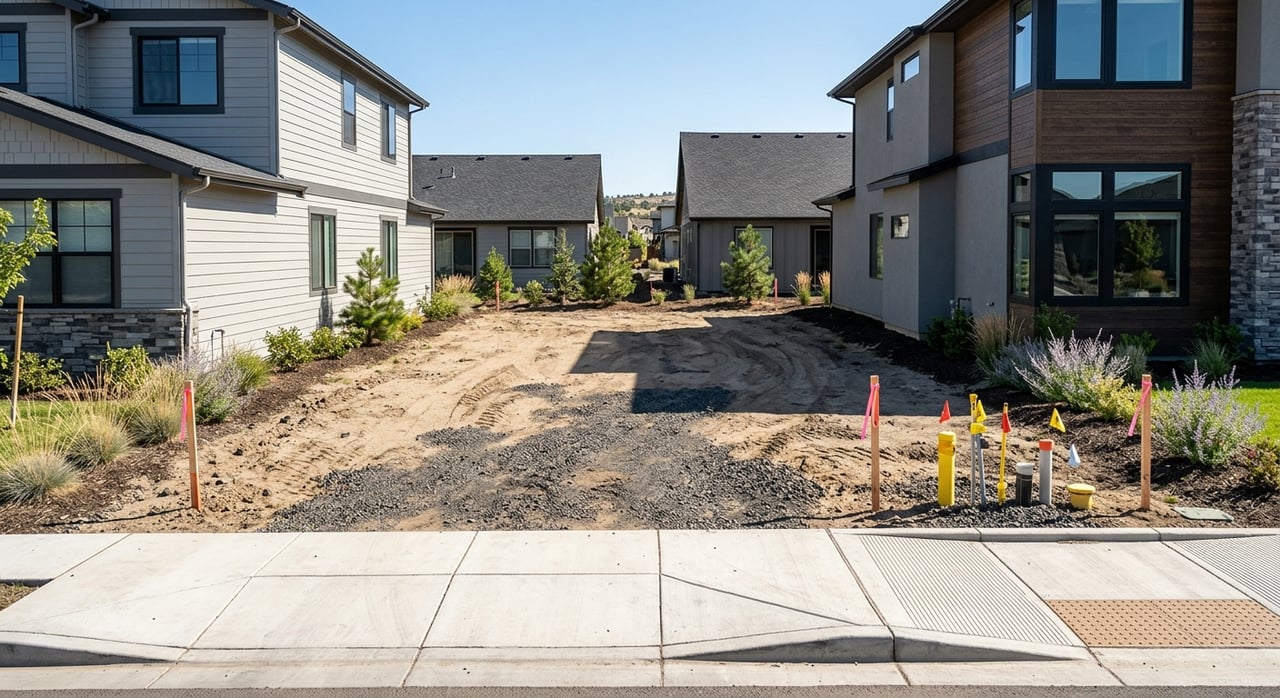
Acreage due diligence should go beyond just zoning and water. Crook County's site-plan instructions require applicants to show existing and proposed utilities, wells, septic facilities, road approaches, easements, drainage, canals, irrigation ditches, and major terrain features.
That list is useful because it mirrors the issues that can affect your plans later. Before buying, ask each utility provider whether service is already available at the site or whether extension costs may apply.
Even if a parcel looks open and straightforward, buried utility questions can add expense. Easements, drainage features, and ditch locations can also affect where future improvements may go.
In Powell Butte, irrigation water can be a major part of a property's value, but it should be verified separately from domestic water. If a parcel is within an irrigation district, Crook County requires an irrigation map and historical water-right information in some applications.
OSU Extension notes that irrigation districts distribute water based on the district's water rights of record. COID says its Central Oregon Canal serves Powell Butte, which makes district service and delivery details worth confirming when irrigation matters to your intended use.
If a listing mentions irrigation, ask for documentation. You will want to verify district service, water-right records, and any easements or delivery limitations that could affect use of the property.
One of the most useful steps in rural land due diligence is checking the county record. Crook County Planning says permit history on county properties is available to the public.
That can help you confirm prior land-use approvals, septic records, access approvals, and building permit history. It is often easier to sort out what has already been approved before you write an offer than after you are under contract.
Before you buy acreage in Powell Butte, make sure you have answers to these basics:
Buying acreage is rarely a plug-and-play transaction. In Powell Butte, a property's value depends not just on views or acreage count, but on zoning, access, septic suitability, water details, and the public record behind the parcel.
That is where practical local knowledge can make a big difference. When you work with someone who understands Crook County rural property issues, you can ask better questions, spot red flags earlier, and move forward with more confidence.
If you are considering acreage in Powell Butte and want clear, hands-on guidance, connect with Brent Krebs. You will get straightforward help evaluating land, records, and next steps before you buy.
Stay up to date on the latest real estate trends.




Whether you’re buying your first home or selling a property, Brent Krebs Realty is here to help. We combine local insight with a client-first approach to deliver results that matter.