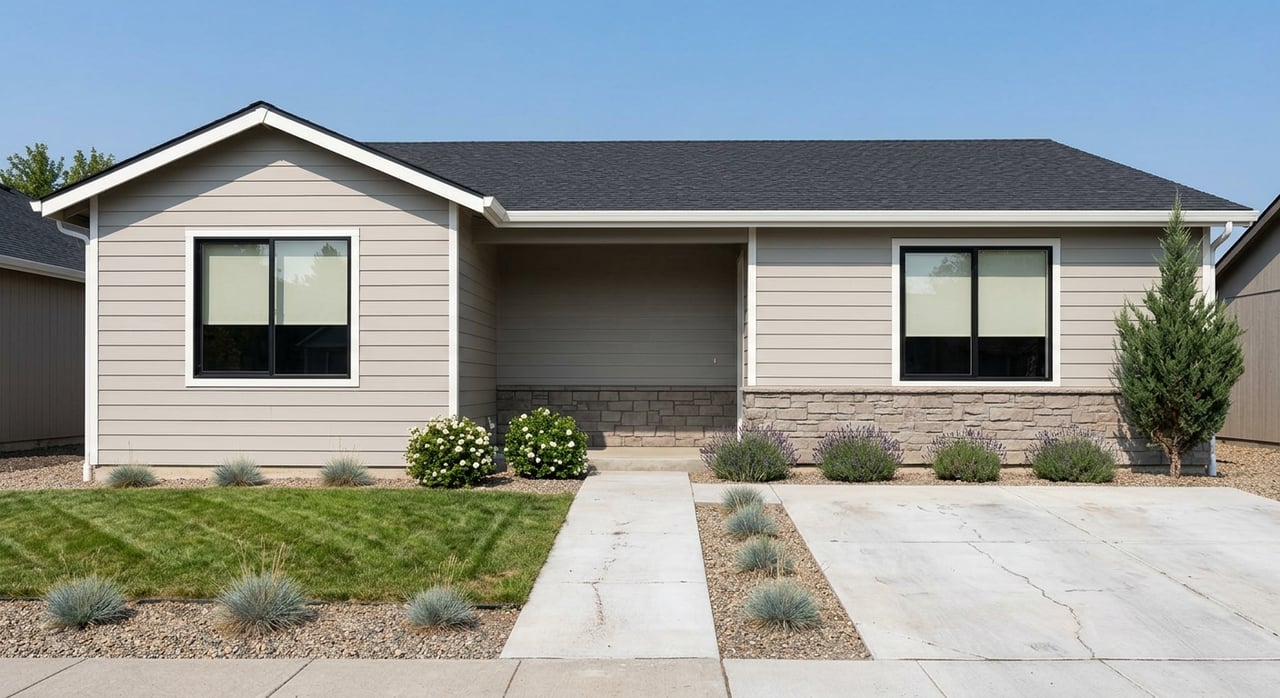
Prineville Rental Property Analysis Before You Buy
June 18, 2026
June 18, 2026
Thinking about buying a rental in Prineville? A property can look promising at first glance, but the numbers and the site details are what tell you whether it truly fits your goals. If you want to avoid surprises and make a smarter investment decision in Crook County, this guide will walk you through the local factors that matter most. Let’s dive in.
Prineville is still a relatively small market, which is part of what attracts many buyers and investors. The city’s 2024 population estimate was 11,917, and Crook County reached 27,336 in 2024, up 10.5% from the 2020 base. Crook County also reported 655 employer establishments and 6,461 total employment in 2023, which helps support local housing demand.
That said, small-market investing works best when you stay realistic about supply. Prineville’s owner-occupied housing unit rate was 60.1%, while Crook County’s was 74.1%, which means rentals make up a smaller slice of the housing stock, especially outside city limits. That does not automatically mean low vacancy, but it does mean you should not assume every area has a deep renter pool.
Before you evaluate purchase price, get clear on what the property can realistically rent for. Median gross rent was $1,355 in Prineville and $1,283 across Crook County, both below the statewide median of $1,525. Those figures give you a useful local baseline, but they are not a substitute for property-specific rent comps.
A practical way to estimate rent is to compare the home to active local listings and similar recent leases, then use the local median as a reality check. After that, test whether the projected rent still works once you account for vacancy and operating expenses. Headline rent is only the starting point.
HUD Fair Market Rents can help you frame the discussion, but they should not drive your final number. HUD defines FMR as a 40th-percentile gross rent and includes shelter rent plus tenant-paid utilities other than telephone, cable or satellite, and internet. In other words, it is best used as a benchmark, not as your rent-setting tool.
Prineville city’s median gross rent is about 22% of the city’s median household income, and Crook County’s is about 19% of county median household income. This is not a full underwriting method, but it does offer a directional look at affordability. If your projected rent pushes well beyond local patterns, that is a sign to pressure-test your assumptions.
One of the easiest ways to overestimate a rental’s performance is to focus too much on gross rent. A stronger analysis separates rent from vacancy, collection loss, repairs, taxes, and reserves. That is how you get closer to stabilized cash flow instead of a best-case scenario.
Appraisal guidance describes effective gross income as the amount left after vacancy and collection loss are subtracted. That matters because a property that looks profitable on paper can feel very different once normal operating costs hit. Your model should leave room for the real-world gaps between rent collected and rent advertised.
Cap rate is a simple shorthand: net operating income divided by value. It can be useful, but only if the income and expense inputs are realistic. If you understate vacancy, repairs, or taxes, the deal may look stronger than it will actually perform.
Cap rates also work best when they come from truly similar comparable properties. In a market like Prineville, where housing types can vary from in-town homes to rural properties with more infrastructure questions, broad averages can be misleading. Similar property, similar location, similar utility setup, and similar condition matter.
Utility setup can have a big effect on your monthly numbers, especially if you plan to cover some or all services as the owner. Inside the City of Prineville, residential water service currently starts at a $21.98 monthly base rate plus tiered consumption charges. Residential sewer is a $60.77 monthly flat rate.
Those costs may not seem dramatic in isolation, but they can change your net return over time. They also matter if a property needs service upgrades or if the current utility arrangement is not ideal for a rental setup. Always confirm who pays what before you finalize your analysis.
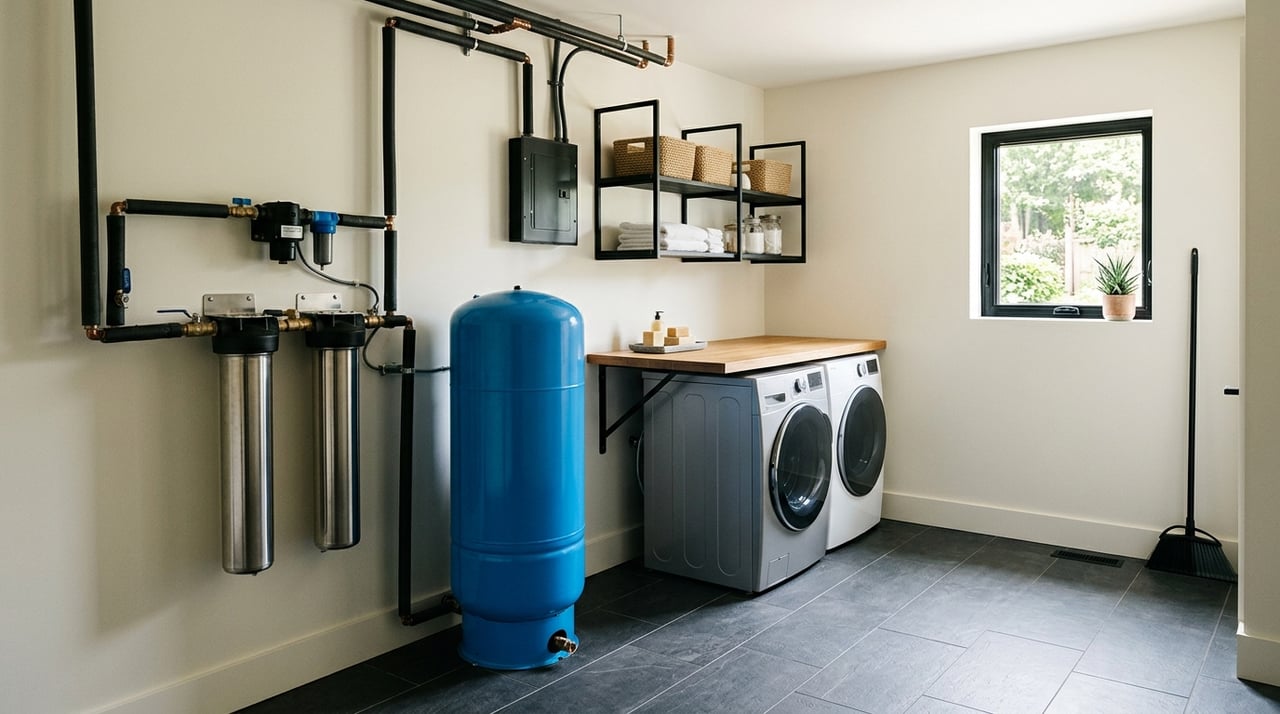
If the property is outside city limits, your due diligence needs to go deeper. Rural rentals often come with private systems that require more careful review than a standard in-town home. In Crook County, that usually means looking closely at septic, well water, and access.
Crook County says its on-site septic program is used for rural development where public sewer is unavailable. The county also notes that private well water testing is recommended annually and required during real estate sales. For an investor, that means well and septic costs should be part of your evaluation from day one, not something you leave for later.
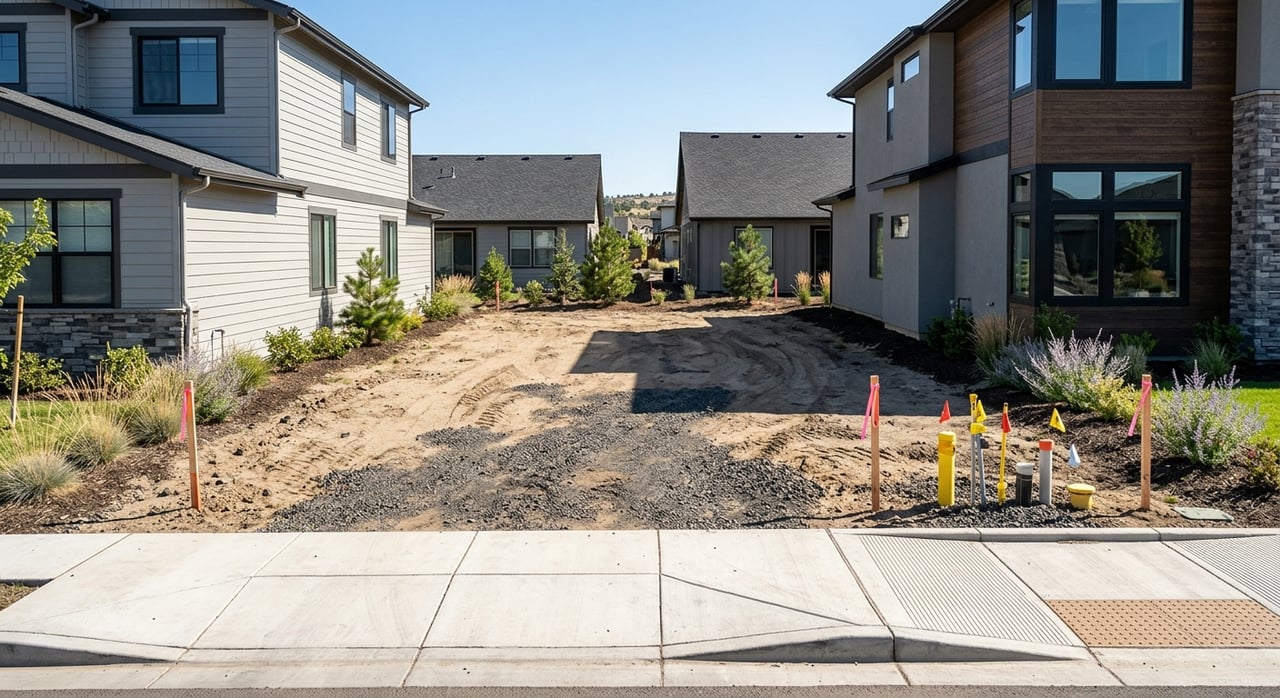
One practical first step is to verify whether the property is inside Prineville city limits or in unincorporated county jurisdiction. That affects where you check utilities, permitting, and code compliance. It can also shape the type of issues you may need to investigate before closing.
Crook County Community Development handles planning and land use, building permits, onsite septic, and code compliance for unincorporated areas. The county also states that its code enforcement does not respond to properties within Prineville city limits. That jurisdiction line matters more than many buyers expect.
Permit history is especially important for additions, ADUs, manufactured-home placement, and rural parcels. If a seller added living space, converted a structure, or placed improvements without the proper approvals, that could affect your future use and your costs. Reviewing zoning and permit history early helps you avoid expensive assumptions.
Property taxes in Crook County are based on assessed value, not simply the market price. The county explains that assessed value is the lesser of real market value or maximum assessed value, and that maximum assessed value generally rises by no more than 3% per year unless an exception applies. That means you should not estimate taxes by applying a simple percentage to the asking price.
Instead, pull the current tax statement and use the real number in your underwriting. This is a small step, but it can make a meaningful difference in your projected return. In a tighter-cash-flow rental, guessing wrong on taxes can throw off the entire picture.
If you are buying a rental for long-term income, your rent-growth assumptions should match Oregon law. For tenancies subject to ORS 90.323, the Oregon Department of Administrative Services says the 2026 maximum annual rent increase is 9.5%. Oregon law also generally limits increases to once in any 12-month period and requires at least 90 days’ written notice after the first year of tenancy.
These rules matter when you build future income projections. If your plan depends on aggressive rent jumps to make the numbers work, the property may not be as strong as it first appears. A better approach is to base your decision on today’s realistic performance and treat future increases conservatively.
When you evaluate a potential rental in Prineville, it helps to follow the same checklist every time. A consistent process makes it easier to compare properties and spot weak deals before you spend too much time on them.
Here is a practical screening list:
If you do those steps in order, you will have a much clearer view of whether a property fits your goals. In a market like Prineville, the best rental opportunities often come from careful local analysis, not just a good asking price.
A rental property should make sense on paper and on the ground. If you want help evaluating an in-town home, a rural property, or an investment opportunity in Crook County, Brent Krebs can help you look at the details that matter before you make your move.
Stay up to date on the latest real estate trends.





Whether you’re buying your first home or selling a property, Brent Krebs Realty is here to help. We combine local insight with a client-first approach to deliver results that matter.