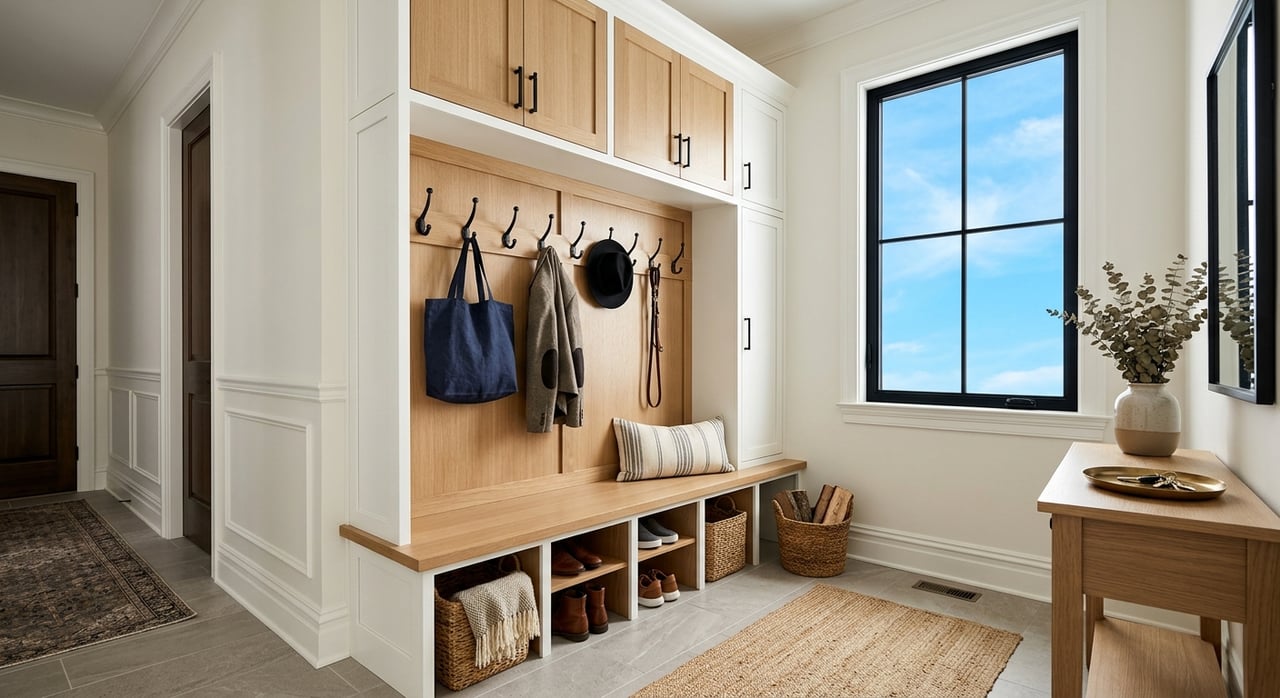
Relocating to Redmond Oregon: What to Know First
July 2, 2026
July 2, 2026
Thinking about a move to Redmond, Oregon? You are not alone. More people are choosing Redmond for its mix of everyday convenience, outdoor access, and a smaller-city feel that still keeps you connected to the rest of Central Oregon. If you are wondering what new residents tend to appreciate most, this guide will walk you through the lifestyle, housing options, and practical details that shape day-to-day life here. Let’s dive in.
Redmond has been growing steadily, and the numbers help explain why. The city’s 2025 population estimate was 38,547, which reflects growth of 15.7% since 2020. That kind of change often signals a place people are actively choosing for both lifestyle and opportunity.
At the same time, Redmond still feels manageable in size. With 13,907 households and an average commute of 21.4 minutes, many newcomers find that daily life feels easier to navigate than in larger metro areas. You can often get where you need to go without making every errand an all-day project.
One of the first things many newcomers notice is how easy it is to spend time outside. Redmond’s park system includes places like American Legion Community Park, Centennial Park, Dry Canyon Trail, and other neighborhood parks spread across the city. That gives residents plenty of options for walks, casual recreation, and fresh air close to home.
The outdoor appeal also extends beyond city parks. Smith Rock State Park is nearby and offers scenic canyon views, hiking, climbing, mountain biking, and seasonal camping. For many people relocating to Central Oregon, having a well-known outdoor destination so close by is a real lifestyle benefit.
Redmond appeals to buyers who want a city that functions well day to day. The transportation pattern is closely tied to major road corridors, especially US-97, which helps residents move around the region with relative ease. That matters if you commute locally, travel to nearby communities, or simply want efficient access to shopping and services.
Local transit also adds flexibility. Cascades East Transit provides Redmond flex routes, dial-a-ride service within city limits, and Community Connector routes to Bend, Madras, Prineville, Sisters, and Crooked River Ranch. If you want alternatives to driving for some trips, that network can be a helpful part of daily life.
For people relocating from larger markets, airport convenience often matters more than they expect. Redmond Municipal Airport is just 2 miles southeast of downtown Redmond and 15 miles north of Bend. The airport reports about 30 daily flights on five carriers, with direct service to cities including Portland, Seattle, Denver, Phoenix, Las Vegas, Los Angeles, San Diego, San Francisco, Salt Lake City, and Burbank.
That kind of access can make a big difference if you travel for work, have family in other states, or simply want easier getaways. Many new residents appreciate being able to live in a smaller Central Oregon city without giving up practical air travel options.
Relocating is about more than buying a house. You are also choosing the rhythm of a community, and Redmond offers events that help people feel connected. Historic downtown hosts the First Friday Art Walk, described as a stroll through boutiques, restaurants, live music, and visiting artists.
In the summer, Music on the Green brings free concerts to American Legion Park on alternating Wednesday evenings, along with food, drinks, desserts, and craft vendors. Larger regional events also center around the Deschutes County Fair & Expo Center, which hosts a wide range of gatherings throughout the year. These kinds of recurring events often help newcomers settle in and start building a sense of place.
Many people appreciate that Redmond offers useful amenities without feeling oversized. The city’s trails, parks, shopping areas, transit connections, and community spaces support a lifestyle where daily needs are relatively close at hand. For buyers coming from more congested areas, that can feel like a welcome change.
The Homestead Canal Trail is a good example. It is a 5.3-mile paved multi-use trail that connects neighborhoods to job centers, shopping areas, a regional transit hub, and medical treatment facilities. Because the city describes it as predominantly flat and usable by a wide range of ages and abilities, it adds practical value along with recreation.
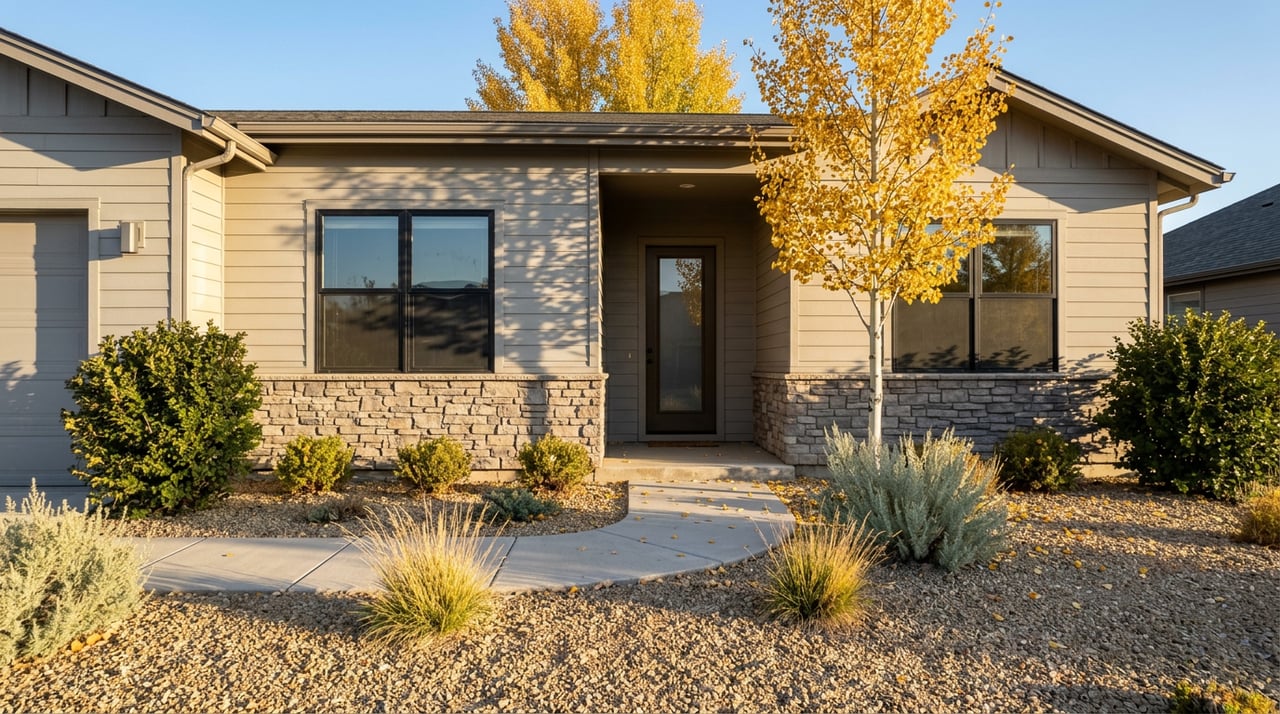
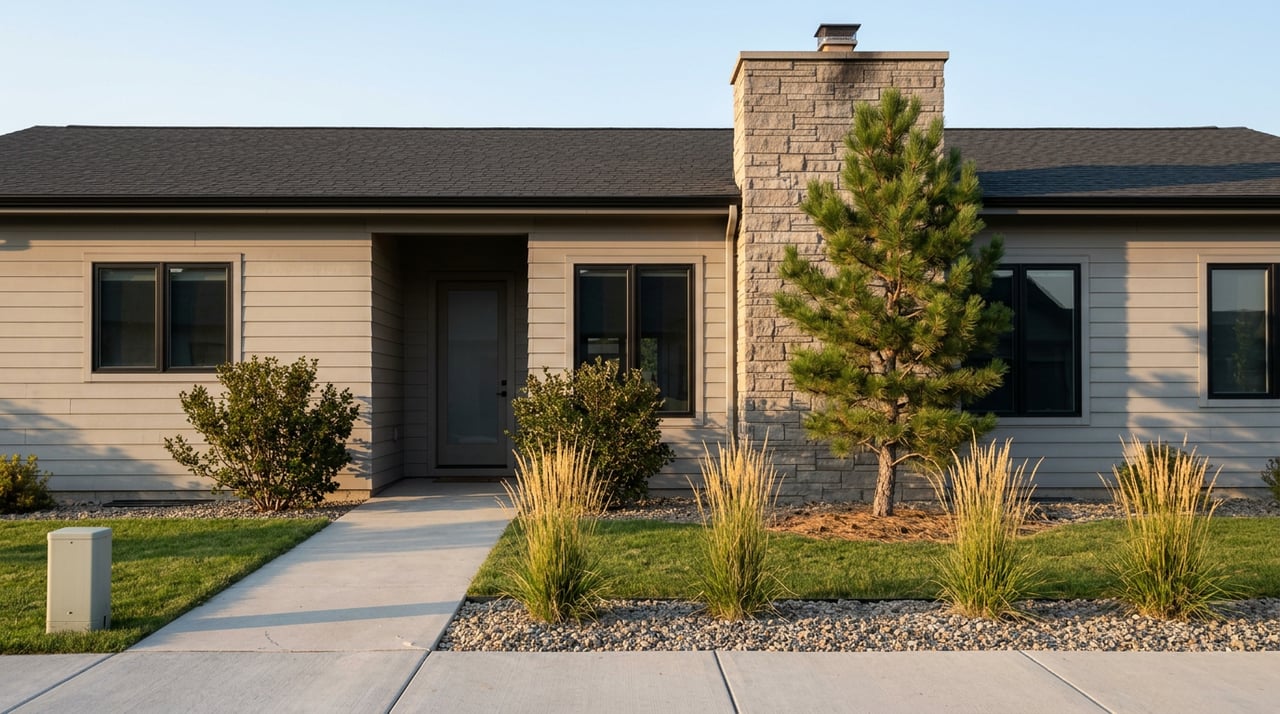
If you are moving to Redmond, it helps to know that the housing conversation is not limited to one type of property. The city’s Housing Needs Analysis forecasts future housing at roughly 60% single-family detached, 15% single-family attached, and 25% multifamily. That points to a market designed to support a range of household needs and price points over time.
The city also notes that single-family detached housing includes manufactured housing. For buyers who want flexibility in how they enter the market, that matters. It means your options may include traditional single-family homes, townhome-style choices, apartments in some areas, and manufactured housing depending on your goals and budget.
Recent city-led Northpoint Vista plans include apartments, duplexes and townhouses, and single-family homes. That is worth noting if you are comparing neighborhoods, home styles, or long-term plans. As Redmond grows, the housing mix appears to be expanding rather than staying fixed in one pattern.
For many relocators, that is encouraging. Whether you want a lower-maintenance option, a detached home, or something that fits a specific stage of life, the city’s planning suggests a broader selection over time.
When you relocate, lifestyle matters, but so do the basics. In Redmond, the median owner-occupied home value is $462,500, the median gross rent is $1,628, and the median household income is $84,164. Those numbers give you a useful starting point for comparing Redmond with other Central Oregon locations.
Homeownership is also a meaningful part of the city’s makeup. The owner-occupancy rate is 64.5%, which points to a market where many residents put down roots. For buyers who want a sense of stability alongside growth, that can be part of Redmond’s appeal.
A lot of relocators today are not choosing a city based only on office location. They also need a place that works for remote or hybrid schedules. In Redmond, 96.7% of households have a computer and 90.8% have broadband, which supports the idea that the city is equipped for modern work-from-home routines.
Combined with the average 21.4-minute commute, that creates flexibility. You may find it easier to balance home, work, and errands in a city that is growing but still compact enough to stay practical.
The move itself always comes with logistics, and Redmond has a few details worth knowing upfront. The city is a full-service city with water, sewer, and stormwater utilities. Garbage service is also mandatory within city limits.
That may sound simple, but it helps to know before closing or move-in day. When you understand how utility service works, you can plan your transition with fewer surprises and more confidence.
Every move looks different, so it helps to get specific about what matters most to you. For some buyers, the draw is airport access and a manageable commute. For others, it is trail connections, nearby parks, event spaces, or the range of housing types available in and around Redmond.
A clear list of priorities can make your home search more efficient. It can also help you decide whether you want to be closer to downtown, near trail access, or in an area that fits your budget and preferred property style.
Relocation is easier when you have someone who knows the area and can help you compare options clearly. That is especially true in Central Oregon, where buyers may be weighing Redmond against nearby communities or deciding between in-town homes, manufactured homes, or land-oriented opportunities.
Working with a local, responsive brokerage can help you sort through those choices in a practical way. The goal is not just finding a house. It is finding the right fit for how you want to live in Redmond.
If you are planning a move to Redmond or exploring your options in Central Oregon, Brent Krebs offers hands-on local guidance, responsive communication, and practical support to help you move forward with confidence.
Stay up to date on the latest real estate trends.

Whether you’re buying your first home or selling a property, Brent Krebs Realty is here to help. We combine local insight with a client-first approach to deliver results that matter.