Buying Land to Build in Redmond: What to Know First
July 9, 2026
July 9, 2026
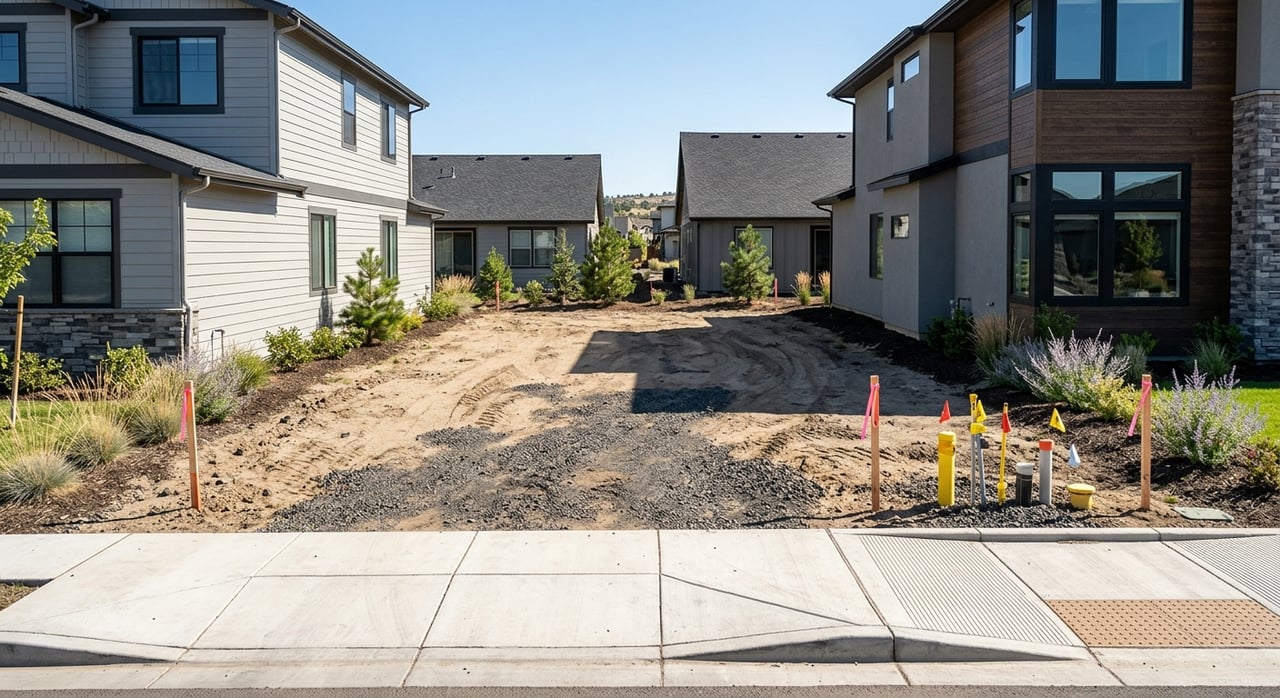
Thinking about buying land in Redmond so you can build exactly what you want? It is an exciting move, but it can also get expensive fast if you fall in love with a parcel before confirming whether it can actually support the home you have in mind. If you want to avoid surprises, delays, and extra costs, the key is doing the right homework upfront. Let’s dive in.
When you buy an existing home, many of the big questions have already been answered. With vacant land, you are starting much earlier in the process, which means you need to confirm not just where the property is, but whether it can legally and practically be developed.
In Redmond, that starts with one basic question: is the lot inside Redmond city limits or in unincorporated Deschutes County? That difference affects zoning research, utility planning, permit steps, and who you need to talk to first.
A parcel inside Redmond city limits can follow a different path than one outside the city. The City of Redmond uses its own property mapping tools for lots within city limits, while Deschutes County uses the DIAL system for countywide zoning and property research.
That means your first step is not comparing views or price per acre. Your first step is confirming which local jurisdiction controls the property, because that will shape nearly every part of your due diligence.
Not all residential land in Redmond allows the same type of development. The city’s zoning code includes several residential designations, including R-1 and R-2 for lower-density residential areas, R-3 for medium-density residential use, R-3A for limited-commercial mixed use, and R-4 for higher-density residential use.
For you as a buyer, that means two parcels that look similar online may come with very different rules. Allowed uses, density, and setback standards can change from one zone to the next, so zoning should always be confirmed before you make assumptions about what you can build.
A lot can seem affordable until you learn it does not meet current size or frontage standards for the home you want to build. Redmond’s residential standards show different minimum lot sizes depending on the zone.
Examples in the city code include:
Frontage also matters. A Redmond code excerpt states that newly created lots generally need:
If a parcel is narrow, oddly shaped, or has limited street access, those details can affect whether your building plans work as expected.
Even if zoning looks right, setbacks and site-specific conditions can change what is actually buildable. The City of Redmond recommends contacting Planning to confirm setbacks and other development conditions before moving forward.
This is a smart early step because a lot that technically qualifies on paper may still have practical design limitations once building envelopes and site conditions are considered.
One of the biggest mistakes land buyers make is assuming utilities will be simple. Inside Redmond city limits, utility service may include water, sewer, stormwater, and mandatory garbage service, but that does not mean every lot is automatically ready for immediate connection.
A truly build-ready lot should have a clear path for utility activation and billing. If that path is uncertain, you need answers before you buy, not after.
This is one of the most important details for Redmond buyers. If a property is in Redmond city limits but is not connected to sewer, Deschutes County requires a signed City Authorization form before handling onsite septic work.
The city decides whether sewer is physically or legally available. If sewer connection is not possible, that authorization allows the county to process the onsite septic path within city limits.
In plain terms, a city lot does not always mean automatic sewer access. That question needs to be verified directly and early.
If the lot will need septic, Deschutes County requires an approved site evaluation before you can apply for a new onsite permit. That evaluation requires at least three test pits and flagged or staked property corners.
It is also important to understand what a site evaluation does and does not do. The county says it helps establish what type of system may be allowed, but it does not guarantee approval for a specific septic system.
A parcel may look perfect in photos and still come with hidden limits. Deschutes County advises buyers to research zoning, flood plains, wetlands, airport safety areas, and prior building or septic permits before applying.
These are not small details. Any one of them can affect cost, design, permit timing, or whether the land works for your plans at all.
If septic evaluation is part of your process, timing matters. Deschutes County notes that site evaluations are generally attempted within 30 days, but winter weather can slow the process when the ground is frozen or covered by snow.
If you are buying land with a goal of building on a set schedule, seasonal delays should be part of your planning from day one.
Buying land to build is rarely a quick close-and-start situation. Compared with an existing home purchase, a buildable lot often involves multiple layers of review before construction begins.
In Redmond, the Building Division says residential plan reviews are typically two to four weeks, and there is no expedited review process. For a new single-family dwelling or townhouse, a Certificate of Occupancy is required, and that can take up to two days after final inspections are approved.
If the property is outside city limits, permit timelines can include several separate review stages. Deschutes County currently lists approximate processing benchmarks of about one week for application intake, about 10 days for planning review, about 6 to 7 weeks for building review, about 4 to 6 weeks for onsite or septic review, and about 3 weeks for driveway-access review.
The county also makes an important point: review times are based on a complete application. If information is missing, your timeline can stretch much longer than expected.
A smart land purchase usually follows a practical sequence. Deschutes County’s permitting guidance supports starting with property research before applying for building permits.
A good order for Redmond buyers is:
Following that order can help you avoid redesigns, rushed decisions, and costly surprises after closing.
Financing raw land or a future build is often more complex than financing a move-in-ready house. Construction loans are typically short-term loans that fund building costs in draws as the work progresses, and they often carry higher interest rates than long-term mortgages.
Some construction loans convert into permanent mortgages, while others require a separate loan later. That is why it helps to ask early whether your purchase will be structured as a land loan, a construction-only loan, a construction-to-permanent loan, or cash.
Vacant land can be treated differently than a standard home mortgage. If your plan is to buy now and build later, your lender should understand your timeline and the type of property you are buying.
That early conversation can help you match your financing to your actual plan instead of trying to force the property into the wrong loan structure.
Buying land is easier when you have the right local people involved from the start. Based on the county process, the most useful team often includes a local real estate agent, a lender familiar with lot and construction financing, a builder or general contractor, and, when needed, city planning staff or county onsite septic staff.
This is where local experience matters. A parcel can look straightforward online but raise questions about frontage, septic, access, or permitting once you start digging deeper.
If you are looking at land in Redmond, practical guidance matters just as much as finding a listing. You need someone who understands how lot size, access, utilities, and local process can affect whether a property fits your goals.
Brent Krebs Realty brings owner-led, relationship-driven service and experience with raw land, acreage, building lots, and homes across Central Oregon. That kind of local, hands-on support can help you ask better questions before you commit.
Buying land to build your future home in Redmond can be a smart path, but only if the property’s zoning, frontage, access, utilities, and permit path all line up. If you want a local expert who will help you sort through those details with clear, practical guidance, schedule a consultation with Brent Krebs.
Stay up to date on the latest real estate trends.
Whether you’re buying your first home or selling a property, Brent Krebs Realty is here to help. We combine local insight with a client-first approach to deliver results that matter.