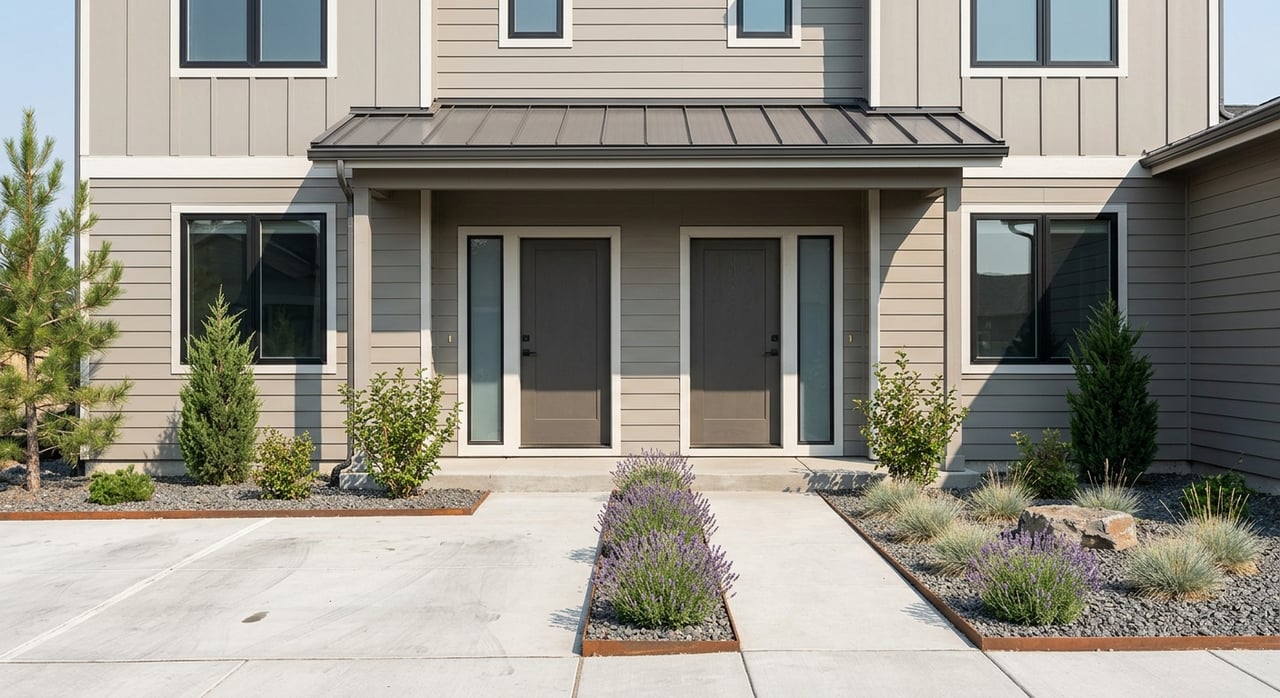
Investment Property in Prineville, Oregon: A Beginner’s Guide
May 7, 2026
May 7, 2026
Buying your first investment property in Prineville can feel simple at first glance, then complicated fast. A listing price, a rent estimate, and a quick mortgage payment calculation might make a deal look promising, but the real story is usually in the property details. If you want to invest with more confidence, it helps to understand how Prineville works, what to watch for in Crook County, and where first-time buyers often misjudge risk. Let’s dive in.
Prineville is a small market, but it is growing. Census QuickFacts shows the city population reached 11,917 in July 2024, up 11.0% from 2020, while Crook County reached 27,336, up 10.5% over the same period. For a new investor, that growth matters because it points to a market that is active rather than stagnant.
The city also looks somewhat more renter-oriented than the county overall. Prineville’s owner-occupied housing rate is 60.1%, compared with 74.1% countywide, and median gross rent is $1,355 in the city versus $1,283 in the county. That does not guarantee a strong rental deal, but it does suggest you should take city properties and county properties as different investment conversations.
Recent market snapshots also show why careful pricing matters. In March 2026, Redfin reported a median sale price of $409,900 and 45 average days on market, while Zillow reported an average home value of $425,759 and average rent of $1,555. Realtor.com showed 419 homes for sale, a median listing price of $514,900, 64 median days on market, and labeled Prineville a buyer’s market, which gives you useful context if you are negotiating.
One of the biggest mistakes first-time investors make in Prineville is treating every property like it operates the same way. In reality, a house on a city lot can have very different costs and risks than a rural property outside city limits. Before you focus on rent, start with how the property actually functions.
Within Prineville city limits, municipal water and sewer are available through the City of Prineville. That can make your utility setup more straightforward when you compare it to a rural property that depends on separate systems. Simpler infrastructure does not make a deal automatically better, but it can make your due diligence easier and your maintenance picture more predictable.
For many first-time investors, that simplicity matters. If you are learning how to evaluate repairs, reserves, and tenant turnover, a city-lot property may be easier to understand than a house with acreage and utility questions layered in.
Outside city sewer service, wastewater often depends on an on-site septic system. Crook County notes that rural development relies on septic as the approved wastewater method where public sewer is unavailable, with site evaluation, construction application, and inspections involved. That means your operating costs, maintenance planning, and improvement options can look very different from what you would expect in town.
A rural property may also depend on a domestic well. Oregon Health Authority says domestic wells must be tested during a real estate transaction, and private well owners are responsible for routine testing. If you are looking at a rental or future rental with a well, water quality and ongoing testing responsibility deserve a place in your numbers.
A first investment property should be underwritten with caution, not hope. Market averages can help you frame the conversation, but they should never replace deal-specific analysis. In Prineville, that distinction matters because average values and average rents can make a property look stronger than it is.
Using Zillow’s March 2026 averages, $1,555 in monthly rent against a $425,759 home value implies a gross yield of about 4.4% before vacancy, repairs, taxes, insurance, utilities, management, and financing. That is only a rough market-level example, but it shows why you should not stop at the top-line rent number. Once real expenses are added, the margin can tighten quickly.
When you run your numbers, separate gross rent from actual performance. A practical budget should include:
That last item matters more than many buyers expect. Costs rise over time, and the property that looks manageable on paper can become stressful if you have not planned for maintenance or a gap between tenants.
If you are counting on future rent increases to make a deal work, be careful. Oregon rent stabilization rules affect many residential rentals, and they should be part of your planning from the beginning.
The Oregon Office of Economic Analysis says the 2026 maximum allowable rent increase is 9.5% for standard tenancies subject to ORS 90.323. Oregon law also generally limits increases to once per 12-month period, requires 90 days’ written notice after the first year, and does not allow rent increases during the first year of a tenancy. Some newer units and certain regulated affordable housing situations are exempt, so the right move is to confirm how the current rules apply to the specific property you are considering.
For a beginner, the main takeaway is simple: do not buy based on an aggressive rent-growth story. Buy based on whether the property can make sense under today’s conditions with conservative assumptions.
In Prineville and Crook County, the best investment research is often local and practical. A property can appear affordable, but the records may tell a more complete story about permits, utility setup, floodplain concerns, or land-use limits. The earlier you check those items, the less likely you are to be surprised later.
Crook County makes public research available for building, planning, onsite septic, and public works records, and it also directs users to Oregon ePermitting for permit history and inspection searches. This is one of the most useful tools for a first-time investor because it can help you confirm whether improvements were permitted and whether any unresolved issues may affect value or future repairs.
If you are considering a duplex, an accessory unit, or a future improvement plan, permit history becomes even more important. You want the paper trail to match the property you think you are buying.
Before you make an offer, confirm that your intended use fits city or county zoning. This is especially important if you are evaluating a property with extra space, multiple structures, or long-term plans for changes. A deal can look flexible at first, but zoning may limit what you can actually do.
Crook County GIS includes current FEMA floodplain data used by planning staff when evaluating whether a property is near the 100-year floodplain. Floodplain exposure can affect insurance, financing, and future improvements. Even if the house itself seems fine, the site can still create additional cost or limitations.
County right-of-way permits are required for work in the road corridor, including utility installations, driveway work, and private water-line installations. This matters most for rural or improvement-heavy purchases. If your plan depends on changing access or extending utilities, those details should be reviewed before you count on the project working.
Acreage sometimes looks like a bargain compared with in-town property, but the operating and tax picture may be more complex. If a parcel includes farmland or forestland, Crook County warns that a special assessment may apply. If that property is later disqualified from the program, an additional tax can remain with the land.
For an investor, that means a lower apparent cost does not always equal a lower real cost. If you are looking at rural ground, a home on acreage, or land with long-term potential, ask early whether special assessment status or rollback exposure could change the economics.
If you are just getting started, keep your first pass straightforward. Focus on the questions most likely to affect cash flow, financing, and maintenance.
This kind of checklist helps you slow down in the right way. In a market like Prineville, the property itself often matters more than broad market headlines.
Prineville is not a one-size-fits-all investment market. A city-lot rental with municipal utilities, a rural house with a well and septic system, and acreage with special assessment history are all very different assets. If you are buying your first investment property, having local insight can help you spot issues that do not show up in a basic online search.
That is especially true if you are comparing town properties, manufactured homes, raw land, or homes with rural features. A practical, local review can help you narrow your options, avoid false starts, and focus on properties that fit your goals and your comfort level.
If you are thinking about buying investment property in Prineville or anywhere in Crook County, working with a broker who understands local records, rural property details, and in-town versus out-of-town differences can save you time and help you make a more informed decision. To talk through your options, connect with Brent Krebs.
Stay up to date on the latest real estate trends.
Whether you’re buying your first home or selling a property, Brent Krebs Realty is here to help. We combine local insight with a client-first approach to deliver results that matter.