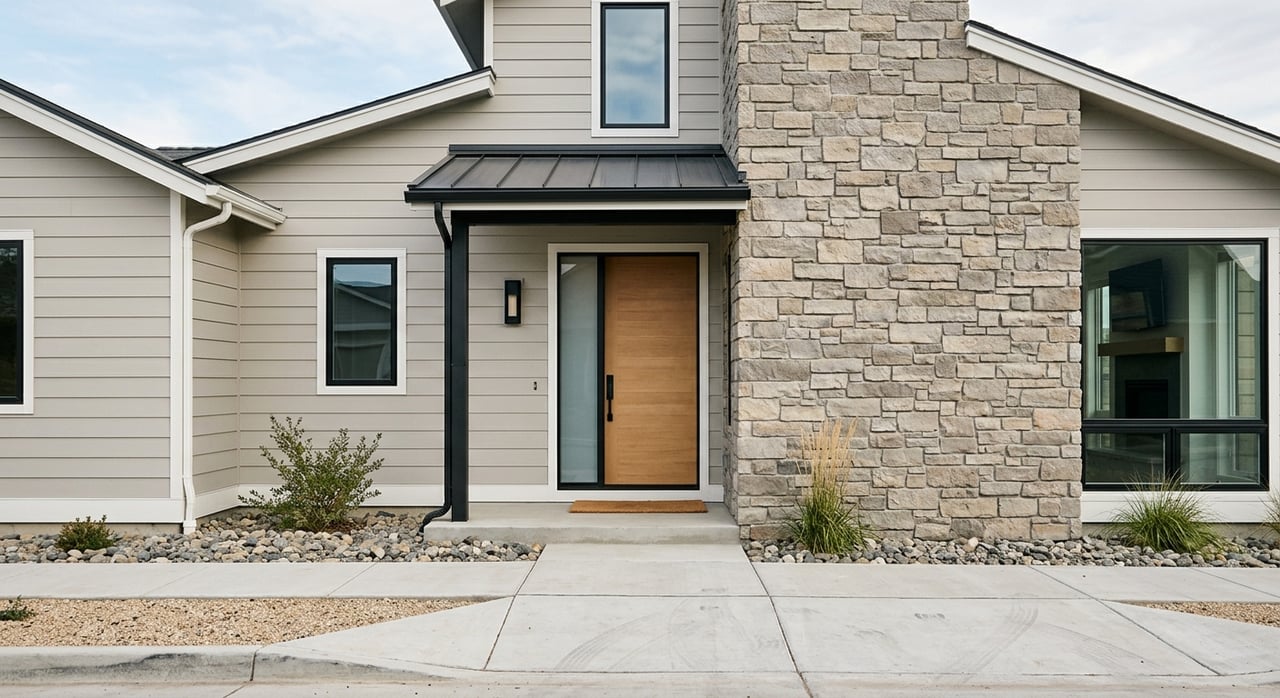
Prineville In-Town vs Country Living: Which Suits You?
June 4, 2026
June 4, 2026
If you are deciding between a home in town and a place with acreage outside Prineville, the choice is about more than square footage. Your daily routine, utility setup, driving habits, and property upkeep can all look very different depending on where you land. This guide walks you through the everyday tradeoffs so you can choose the version of Prineville living that fits you best. Let’s dive in.
Prineville sits inside a much larger rural county, and that difference shows up quickly in how people live day to day. In 2024, Prineville had an estimated 11,917 residents, while Crook County had 24,739 residents spread across 2,978.93 square miles.
That means in-town living feels more compact and connected, while county living offers a much lower-density setting. Census estimates also show Prineville at 836.8 people per square mile compared with 8.3 people per square mile countywide.
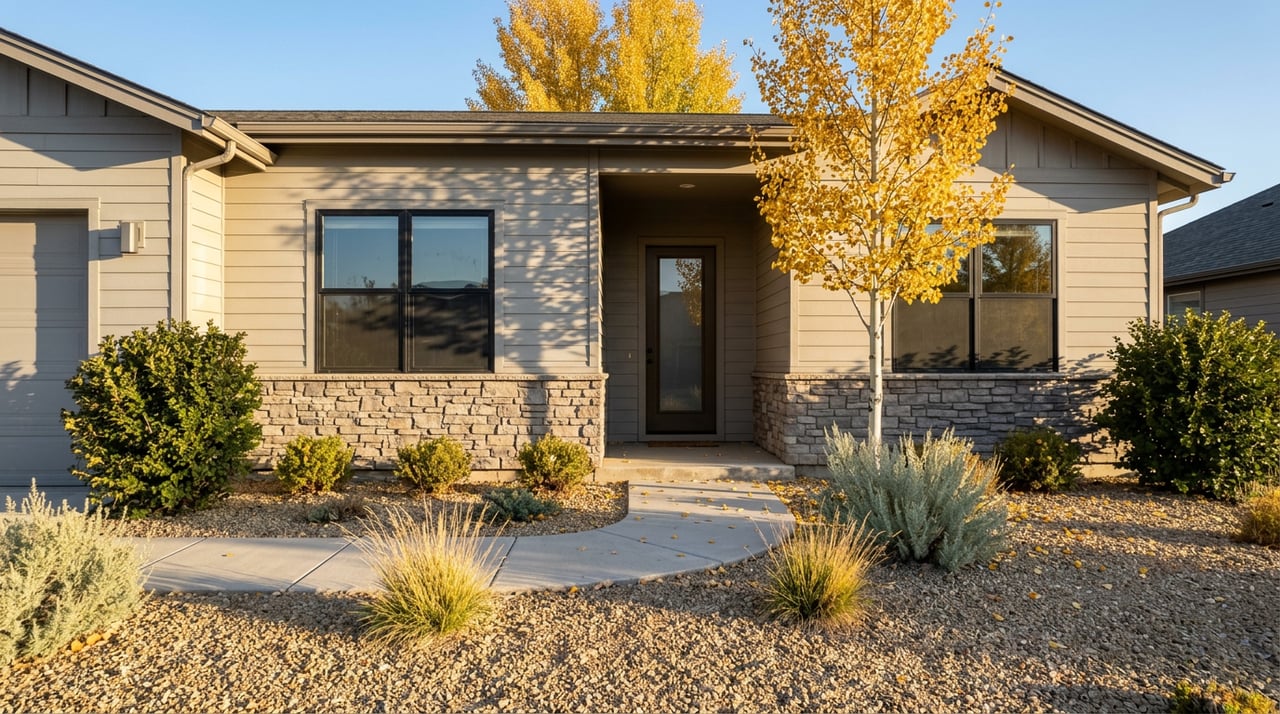
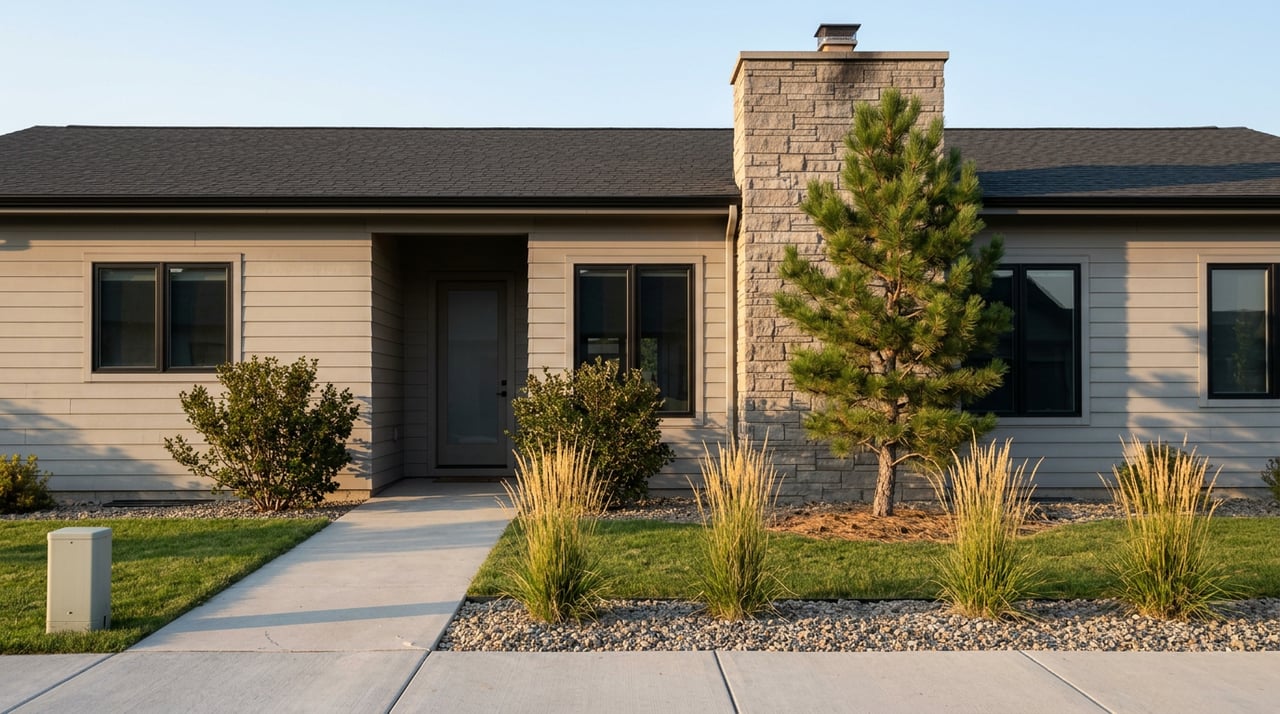
If you want a routine with fewer moving parts, living inside Prineville city limits may feel simpler. Many of the basics are centralized, which can make errands, appointments, and home maintenance easier to manage.
The City of Prineville owns and operates its municipal water system for residential, commercial, industrial, and public customers in town. That is a major distinction from rural properties, where water service is often tied to the individual parcel rather than a city system.
In town, important day-to-day services are easier to reach. The Crook County Library is in Prineville, and St. Charles Prineville provides local hospital services including emergency care, radiology, lab services, outpatient rehabilitation, an integrated primary care clinic, and an immediate care clinic.
For many buyers, that proximity matters as much as the home itself. If you prefer quick access to appointments, library services, and regular errands, a neighborhood address in town can support that lifestyle more easily.
Prineville also has the strongest local transit coverage in the county. CET’s Prineville Dial-A-Ride offers curb-to-curb rides anywhere within city limits with one-day advance scheduling.
CET’s Community Connector also links Prineville to Redmond, Sisters, Bend, La Pine, Madras, Culver, and Warm Springs. You may still drive often, but in-town living gives you more flexibility if you want options beyond your car.
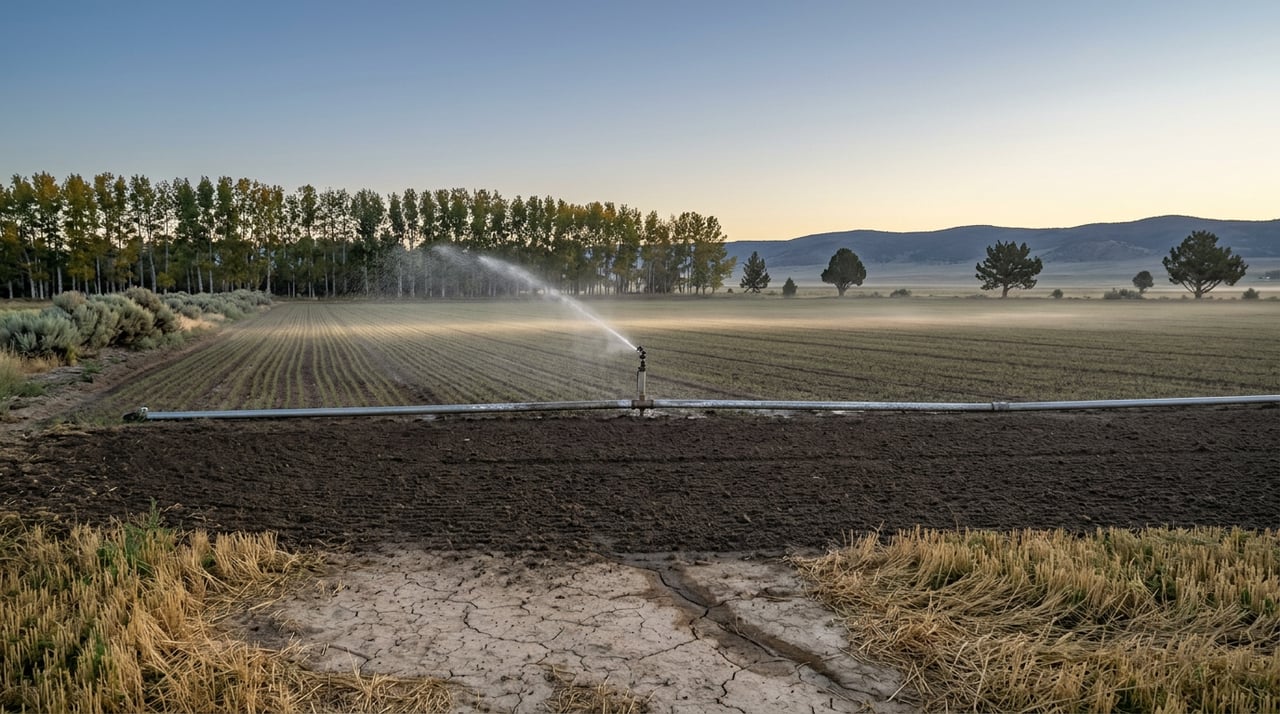
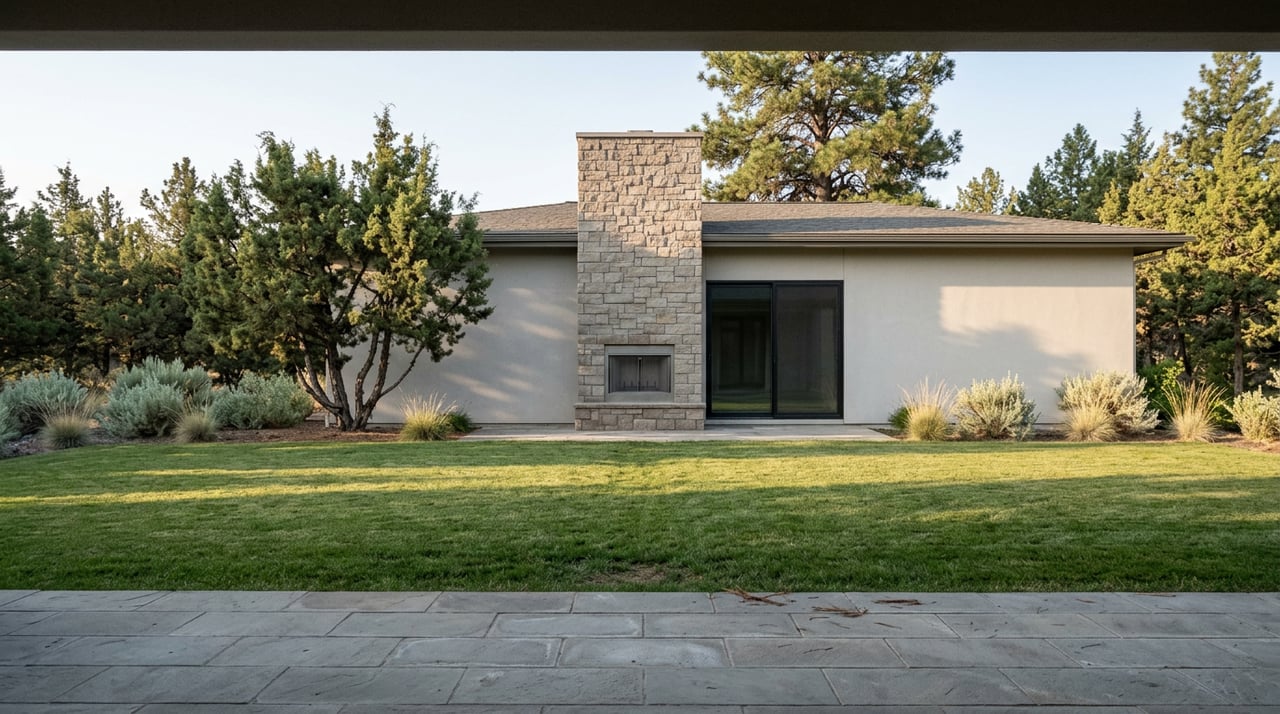
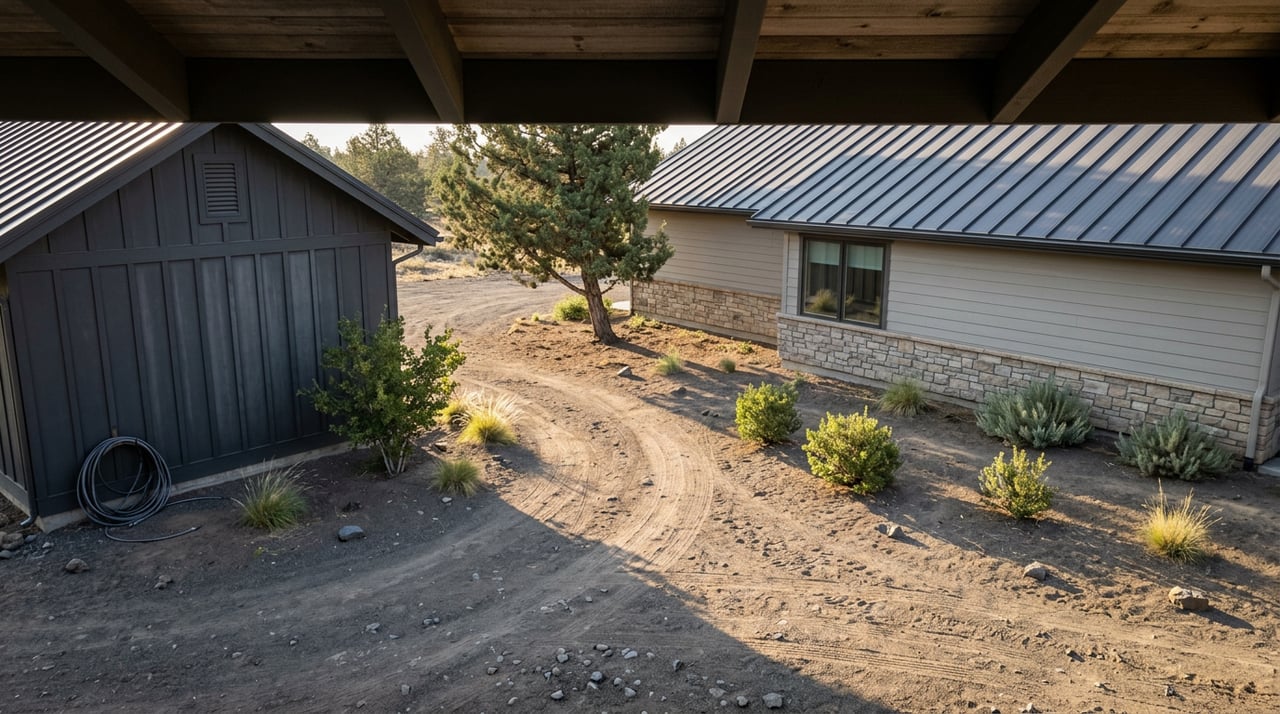
If your goal is privacy, elbow room, or space for equipment and hobbies, country living around Prineville can be a great fit. Rural properties often offer the kind of open setting that buyers want when they picture Central Oregon living.
That said, acreage usually comes with more systems to manage. The tradeoff is often less about whether the property is appealing and more about whether you are comfortable handling the extra details that come with it.
Crook County states that its on-site septic program is the approved sewerage method for rural development where no public sewer is available. Incorporated urban areas, by contrast, typically have public sewer service.
That makes septic a practical part of many rural purchases. Crook County’s fiscal year 2025-26 fee schedule lists an $808 site evaluation fee and a $998 standard septic-system fee for the first 1,000 gallons, before installation costs.
Rural water service often means relying on a domestic well rather than municipal water. Oregon Health Authority guidance for Crook County recommends regular testing for arsenic, nitrates and nitrites, total coliform, and E. coli.
That does not mean every well has a problem. It does mean that well ownership includes ongoing testing and awareness that in-town buyers usually do not need to think about in the same way.
Crook County’s Road Department provides repair, maintenance, and plowing services to the county road network. Even so, rural living tends to be more car-dependent because the city’s transit service is limited to city limits.
That difference can shape your routine more than you expect. A longer driveway, more driving for errands, and a bit more planning for day-to-day access are common parts of acreage living.
One interesting local detail is that commute estimates are fairly close between town and county. Census travel-time estimates show 23.8 minutes in Prineville city and 26.7 minutes in Crook County.
That small gap suggests the choice is not only about commute length. For many buyers, the bigger question is whether you want convenience built into your address or more space built into your property.
When buyers compare in-town and rural homes, they often start with list price. That is important, but it is only part of the picture.
Census estimates show a median owner-occupied home value of $425,900 in Prineville and $467,000 in Crook County. Countywide values are slightly higher, but the more important budget question for many rural buyers is what comes after closing.
With acreage, you may need to budget for septic permitting, well testing, and possible road or driveway upkeep. Those costs are not always visible when you first compare two listings, but they can matter in your long-term comfort with the property.
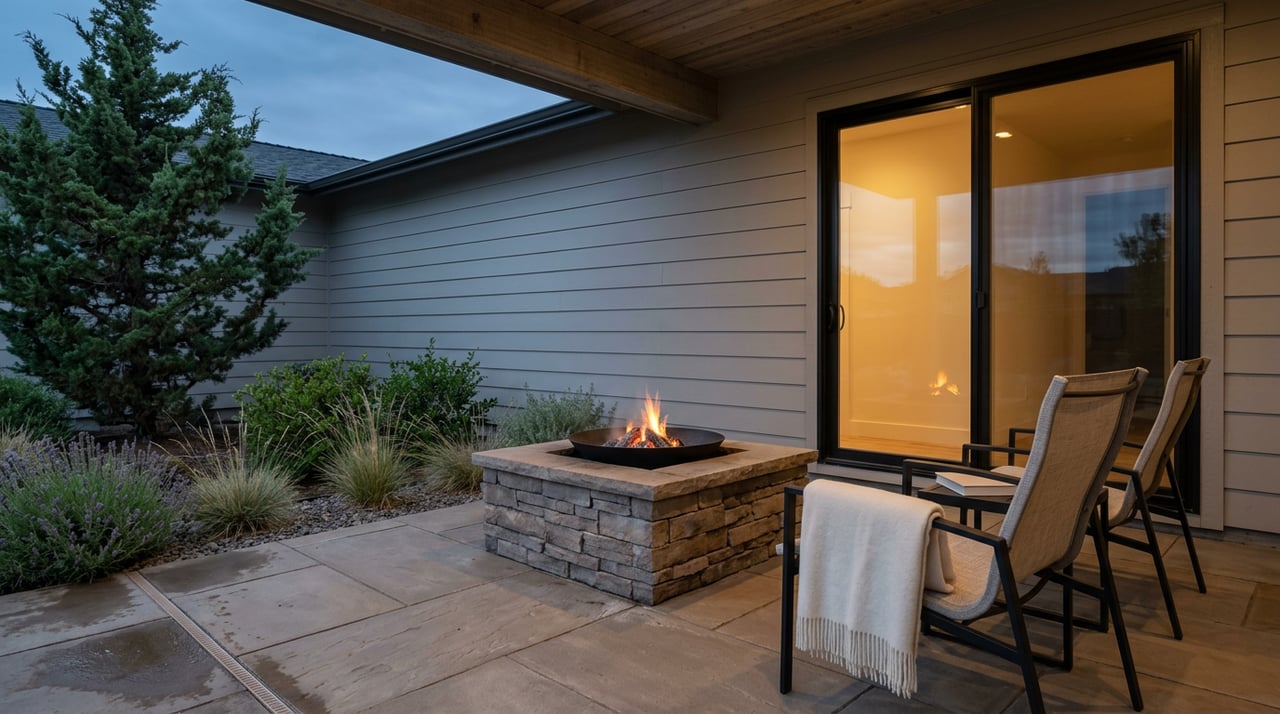
In town, the appeal is often predictability. Municipal utilities and easier service access can make monthly life feel more straightforward, even if the lot is smaller.
One of Prineville’s biggest advantages is that you do not have to choose between town convenience and access to outdoor recreation. The area is surrounded by a very large public-land landscape.
The Prineville BLM District is the largest district in Oregon, with 1.65 million acres scattered over 13 million acres. The Ochoco West-Prineville area is described as offering a broad range of recreation without being too far from town.
Local recreation options include winter snow play, snowmobiling, cross-country skiing, fishing, and backpacking. Forest Service recreation pages for the Ochoco National Forest also list biking, hiking, horse riding, camping, hunting and shooting, OHV use, scenic drives, water activities, and winter sports.
That means living in town does not cut you off from the outdoors. If you love quick access to trails, fishing, or weekend adventure, both in-town and country living can work well in the Prineville area.
The right answer usually comes down to what you want your normal week to feel like. A home in town often fits buyers who want easier errands, municipal utilities, and more transit flexibility.
A rural property often fits buyers who want more privacy, more room, and space for tools, projects, animals, or recreational gear. The extra management may be worth it if the lifestyle payoff matters more to you than convenience.
Choosing between these two paths is easier when you look past the photos and think about the day-to-day details. That is where local guidance can make a big difference.
If you are weighing Prineville in-town versus country living, Brent Krebs can help you compare properties with a practical local lens and find the setup that truly fits your life.
Stay up to date on the latest real estate trends.
Whether you’re buying your first home or selling a property, Brent Krebs Realty is here to help. We combine local insight with a client-first approach to deliver results that matter.